

Cappadocia Travel Guide
Table of Contents
1. Itinerary
2. Fun facts
3. Movies Shot
4. Iconic Photo Spots
5. Places to Stay
6. Personal Blog
Itinerary
Day 1:
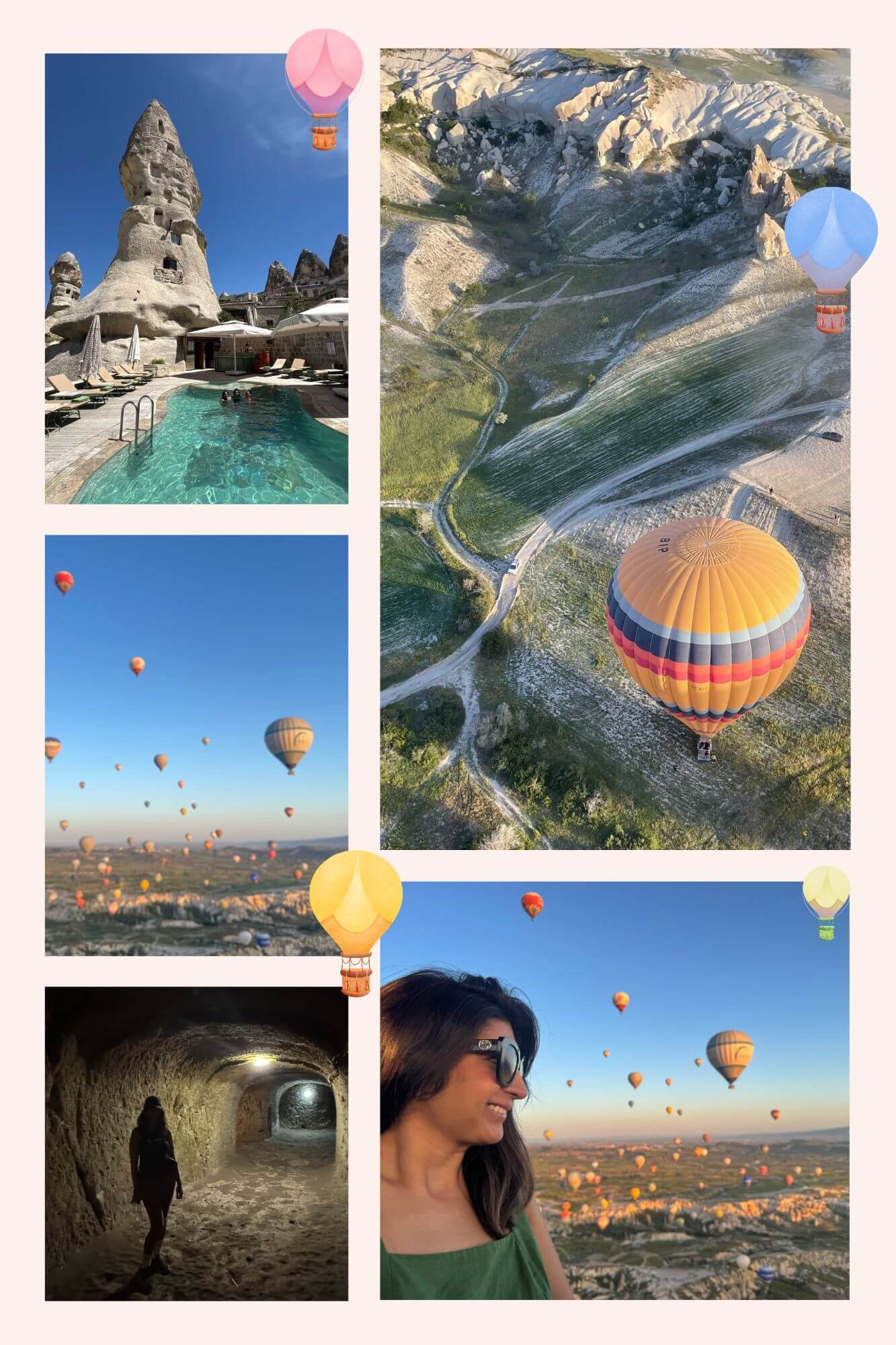
- Book the Cappadocia Hot Air Balloon Ride / Royal Balloon on Viator and enjoy this once-in-a-lifetime experience.
Choose between the shorter Queen flight for up to 20 people or the more intimate King flight for 12. Your adventure starts early with a hotel pickup by an air-conditioned minivan. Cappadocia’s unique landscape—shaped by millions of years of volcanic ash erosion—has colorful rock formations, spires, and the famous “fairy chimneys,” best viewed from above.
At the balloon office, enjoy a complimentary light breakfast before heading to the launch field. Watch as the giant balloon inflates, then lift off with an experienced pilot. As you soar over the valleys, take in views of rock-cut churches and ancient homes while your guide shares fascinating insights into the region’s history.
- Explore the underground cities of Kaymakli or Derinkuyu to discover Cappadocia’s ancient history.
- Experience the breathtaking beauty of Cappadocia’s Red Valley at sunset, as the landscape transforms into a vibrant canvas of reds, pinks, and oranges. The glowing rock formations and fairy chimneys create a magical atmosphere perfect for photos, peaceful hikes, or simply soaking in the unforgettable view.
Day 2:
1. Book the Cappadocia Private RED GREEN Tour on Viator and enjoy visits to these remarkable sites.
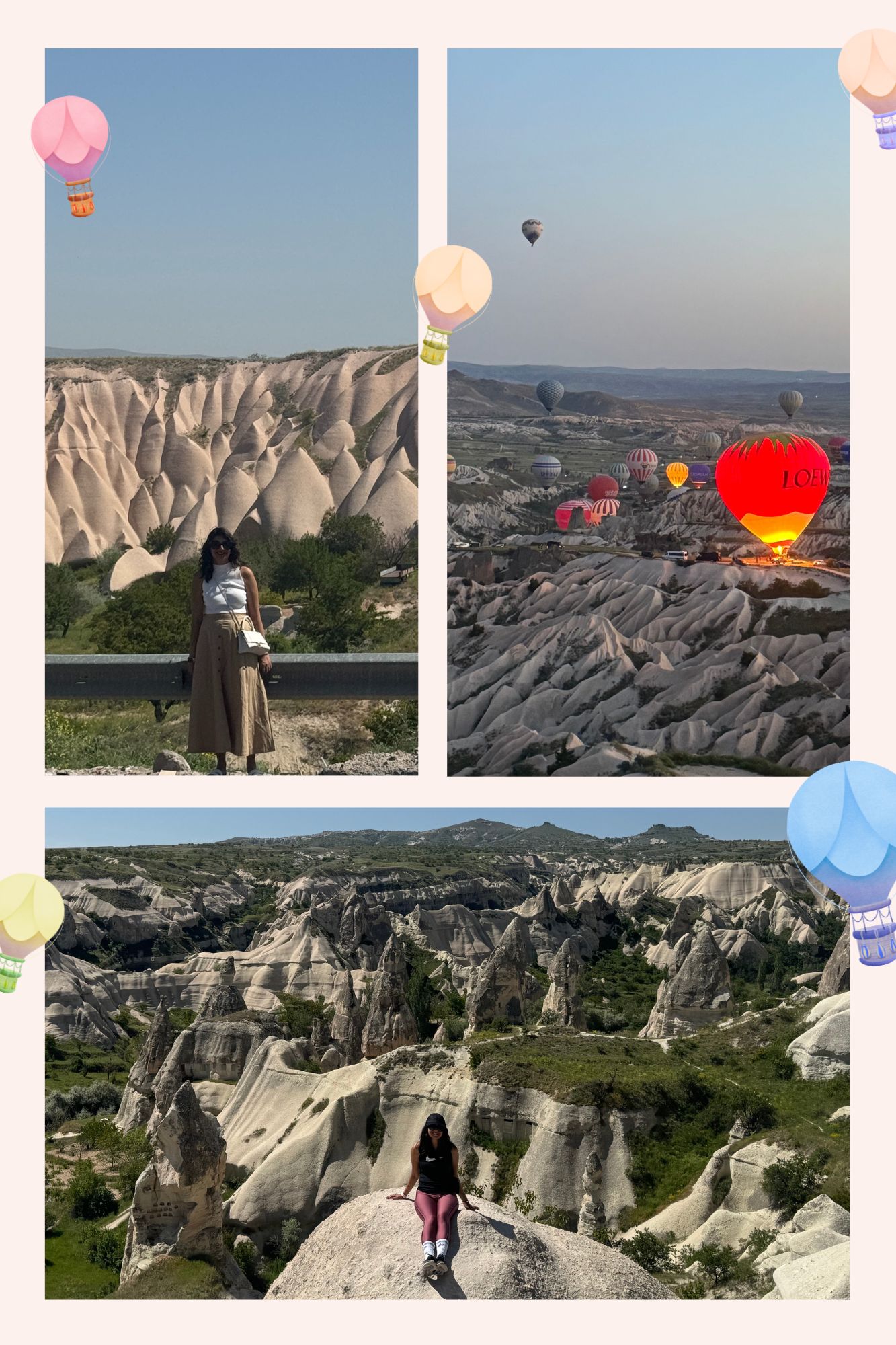
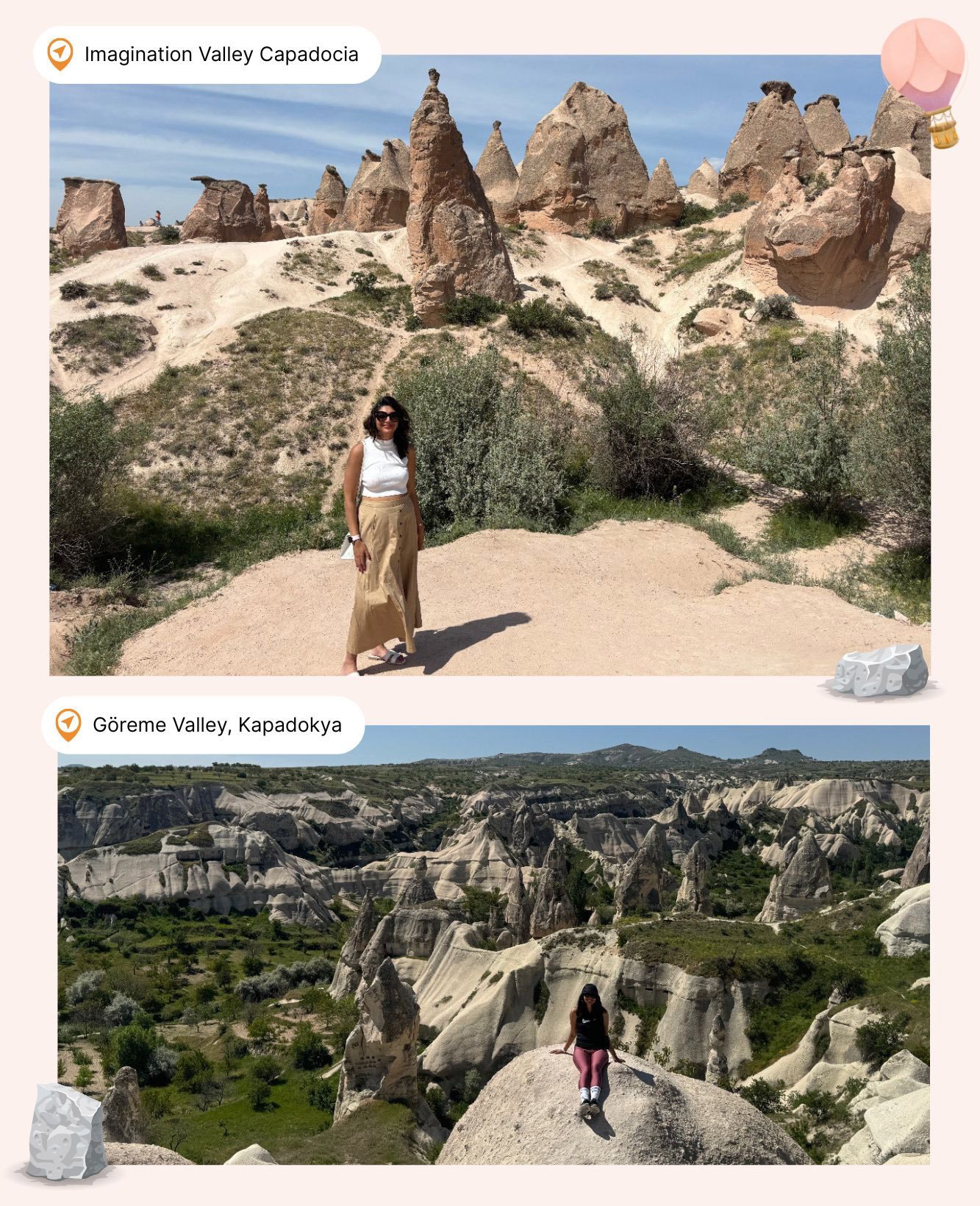
- Göreme Panorama: A popular free panoramic viewpoint offering stunning views of Cappadocia’s valleys, fairy chimneys, and colorful hot air balloons at sunrise and sunset. It’s often crowded but ideal for relaxing and photo opportunities.
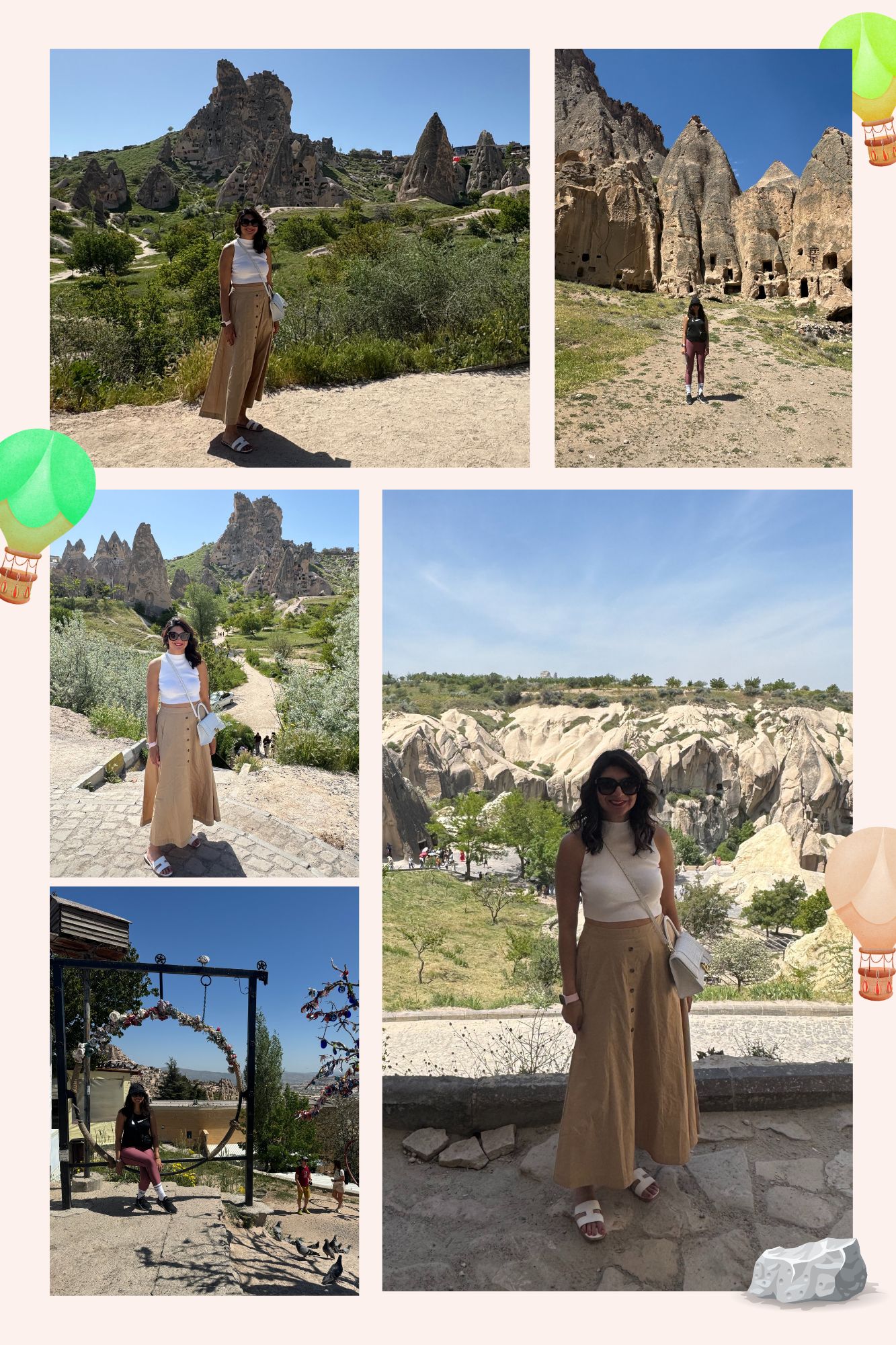
- Uchisar Castle: A large rock fortress and the highest point in the region. It has interconnected rooms, tunnels, and millstone doors. Some parts are eroded, but many rooms serve as pigeon houses used for natural fertilizer.
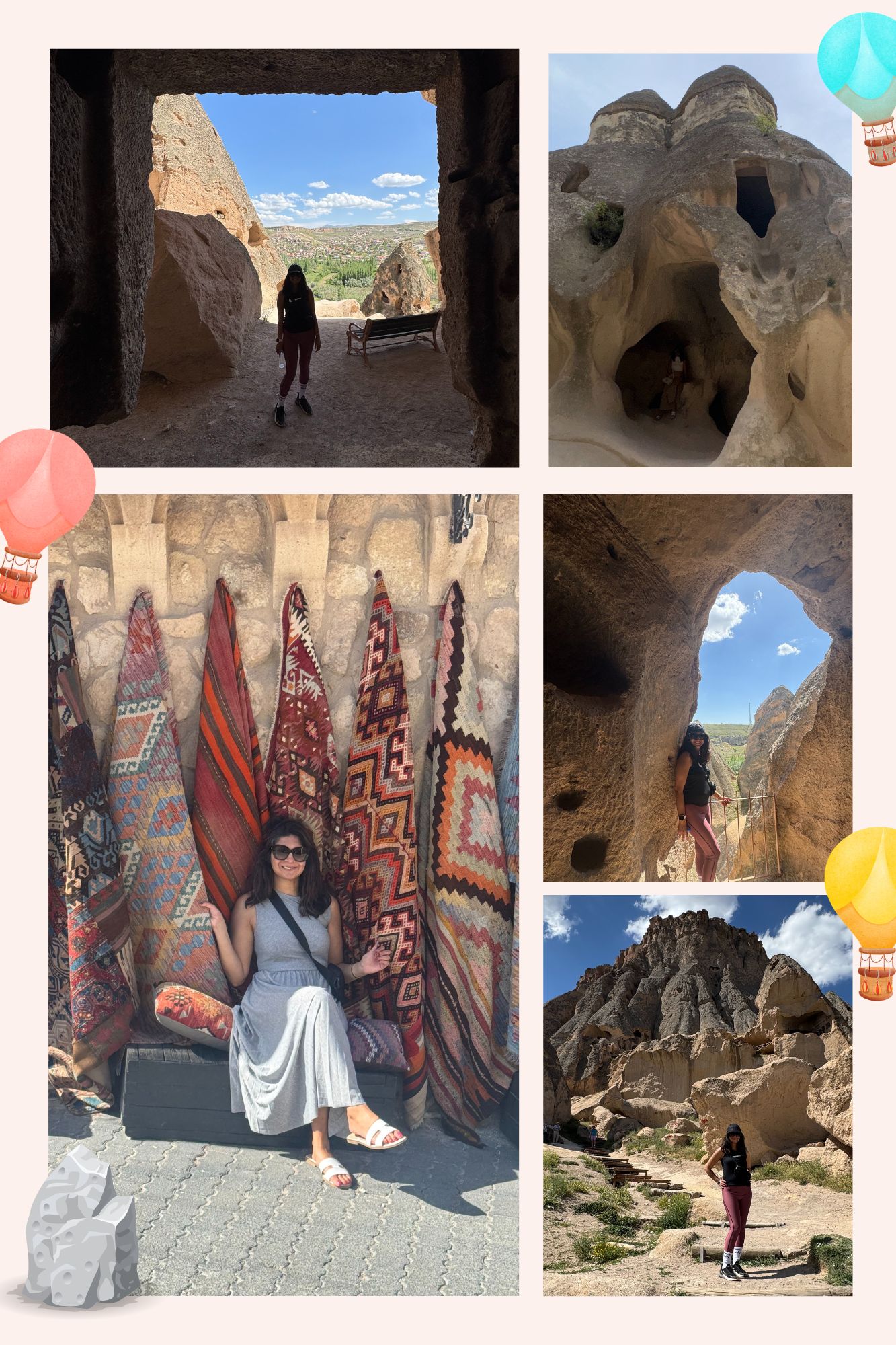
- Göreme Open-Air Museum: A UNESCO World Heritage site with rock-cut Byzantine churches and monasteries dating from the 10th to 12th centuries. It showcases well-preserved frescoes depicting biblical scenes.
- Pasabag (Monks Valley): Famous for its unique cone-shaped fairy chimneys with mushroom-like caps, formed by volcanic activity and erosion. It also contains cave dwellings and chapels carved by early Christian monks.
- Pigeon Valley: Named for the numerous pigeon houses carved into the rocks, historically used to collect droppings for fertilizer. It offers a scenic, relatively easy 2-3 hour hiking trail with beautiful views.
- A historic town along the Kızılırmak River, known for its pottery tradition dating back to the Hittite era. Visit family-run workshops, watch artisans at work, try your hand at creating your piece, and shop for beautifully hand-painted ceramics.
- Ortahisar:A small town in Cappadocia known for its unique castle-like rock formations. Many tours include a brief stop here to visit a local leather factory, where visitors can watch a short fashion show featuring jackets and goods made from fine Turkish leather.
- Fairy Chimneys (General): Iconic volcanic rock formations throughout Cappadocia, shaped by millions of years of erosion. Many have been used as homes, churches, and monasteries. They are part of the region’s UNESCO World Heritage status.
Day 3:
-
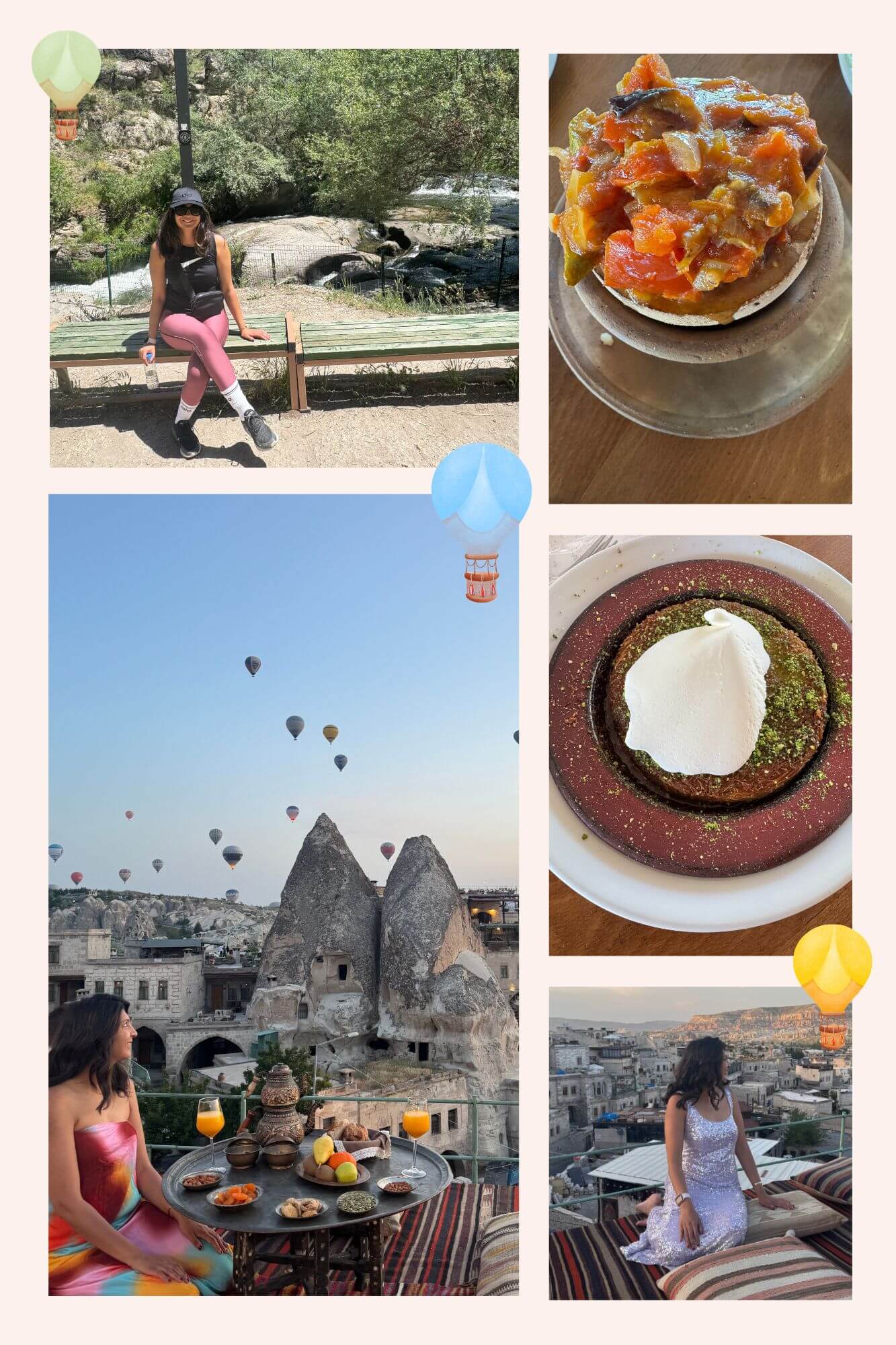
Start your morning early—just before sunrise—to catch the hot air balloons lifting off into the sky. Enjoy the magical view right from your rooftop as you savor a delicious breakfast to start the day.
-
Book the Cappadocia: Sunset or Daytime Horse Riding Tour through Get Your Guide. This is a truly special way to explore the valleys—after all, Cappadocia means “Land of Beautiful Horses.”
-
Cool off in a cave pool, where nature carved the walls and serenity defines Cappadocia.
Table of Contents
1. Itinerary
2. Fun facts
3. Movie Shot
4. Do it for the Gram
5. Places to Stay
6. Personal Blog
7. Puns and Pictures
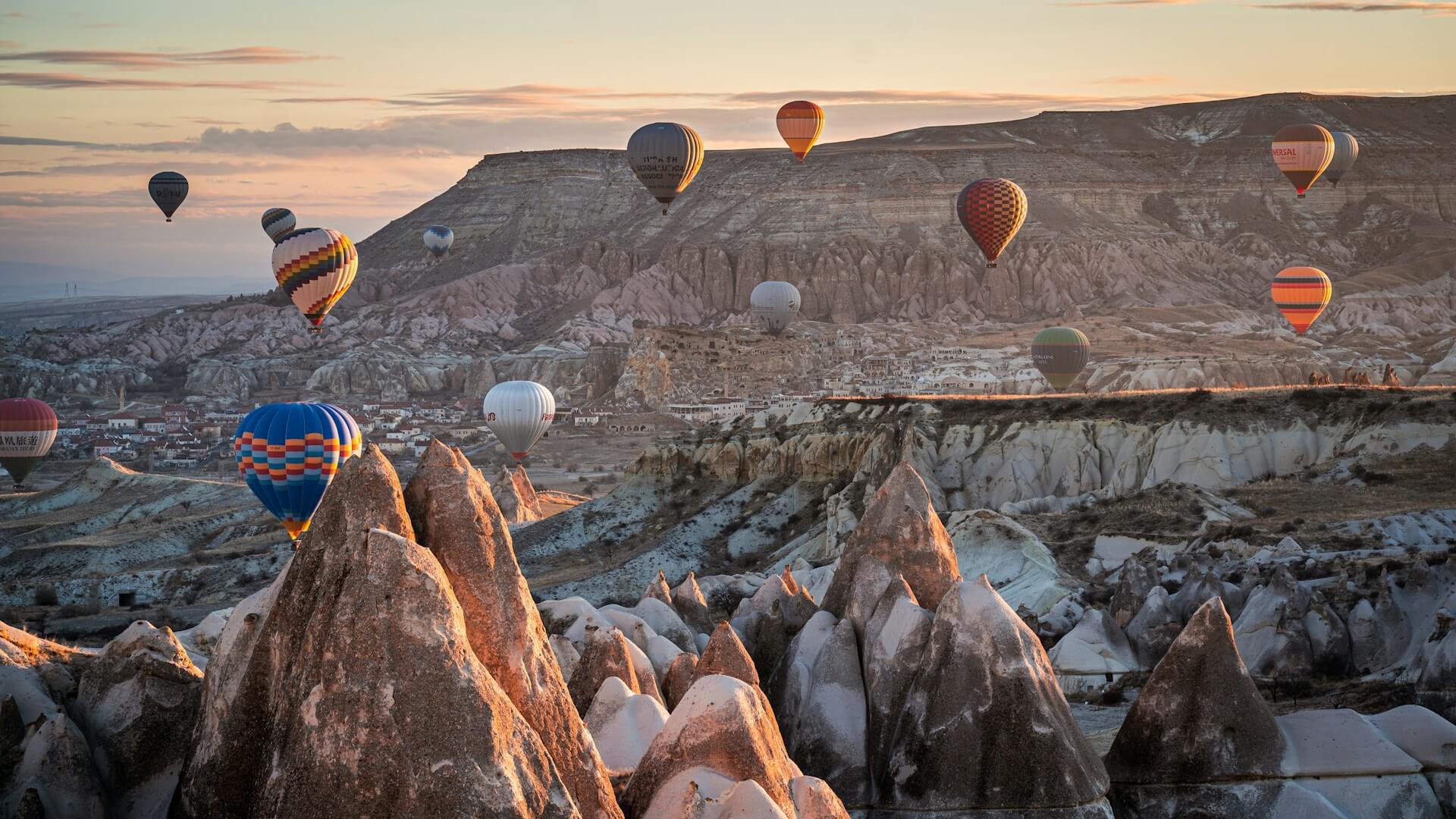
Fun facts
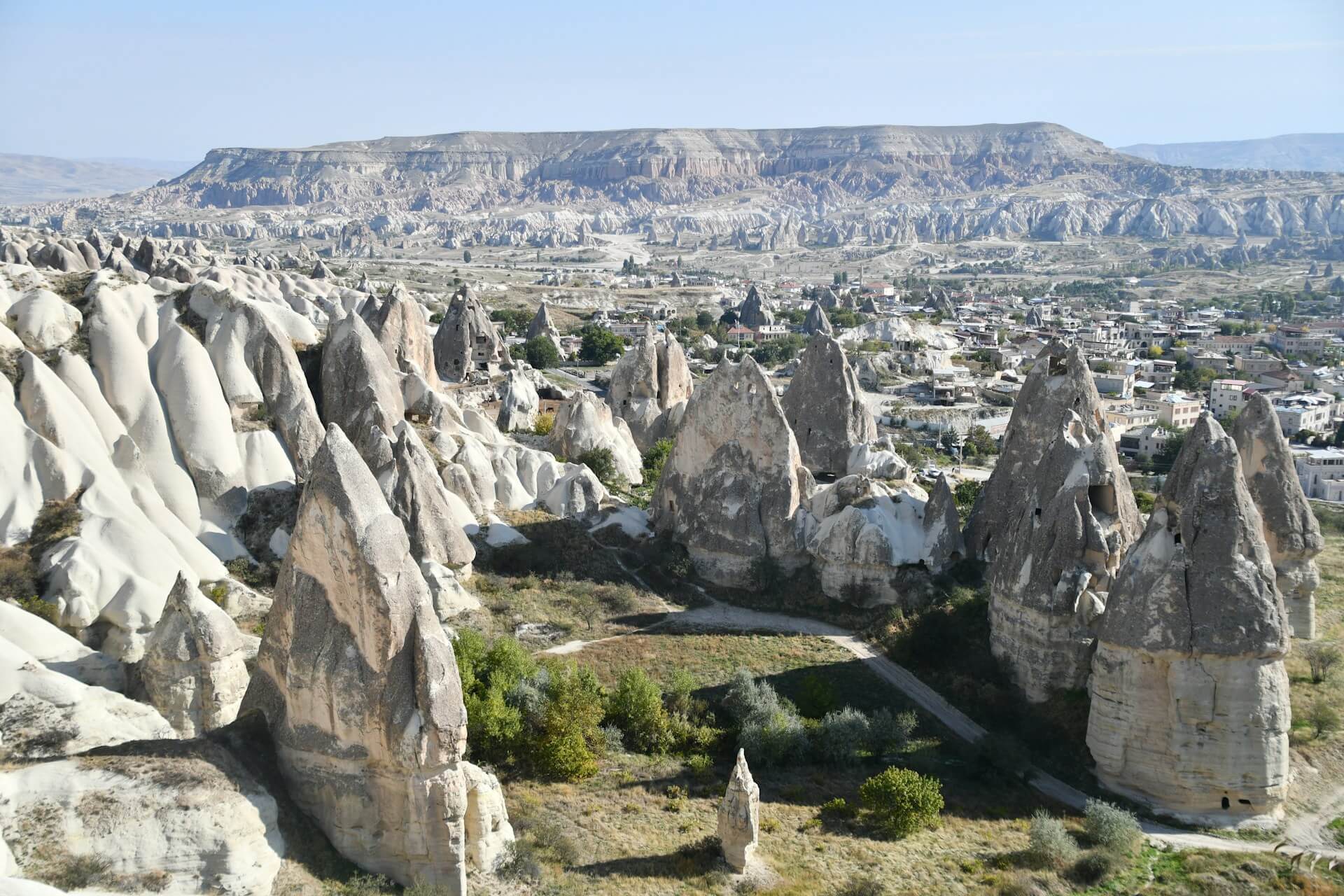
- Fairy Chimneys: Cappadocia is known for its tall, cone-shaped rock formations called fairy chimneys. They were formed over millions of years by volcanic eruptions and erosion.
- Volcanic Origins: The landscape was formed by eruptions from three volcanoes—Mount Erciyes, Mount Hasan, and Mount Göllüdağ.
- Underground Cities: There are more than 200 underground cities in the region.
- Hot Air Balloon Hub: Cappadocia is considered one of the best hot air ballooning locations in the world, offering surreal sunrise views.
- Living in Caves: Many homes, hotels, and churches are built inside caves, carved directly into the soft volcanic rock.
- Göreme Open-Air Museum: A UNESCO World Heritage Site, this museum has rock-cut churches with Byzantine frescoes dating back to the 10th century.
- Pigeon Valley: Locals carved thousands of pigeon houses into cliffs. The pigeon droppings were once used as fertilizer.
- Unique Wine Region: The volcanic soil of Cappadocia makes it a unique place for Turkish wine production, especially with local grape varieties like Kalecik Karası.
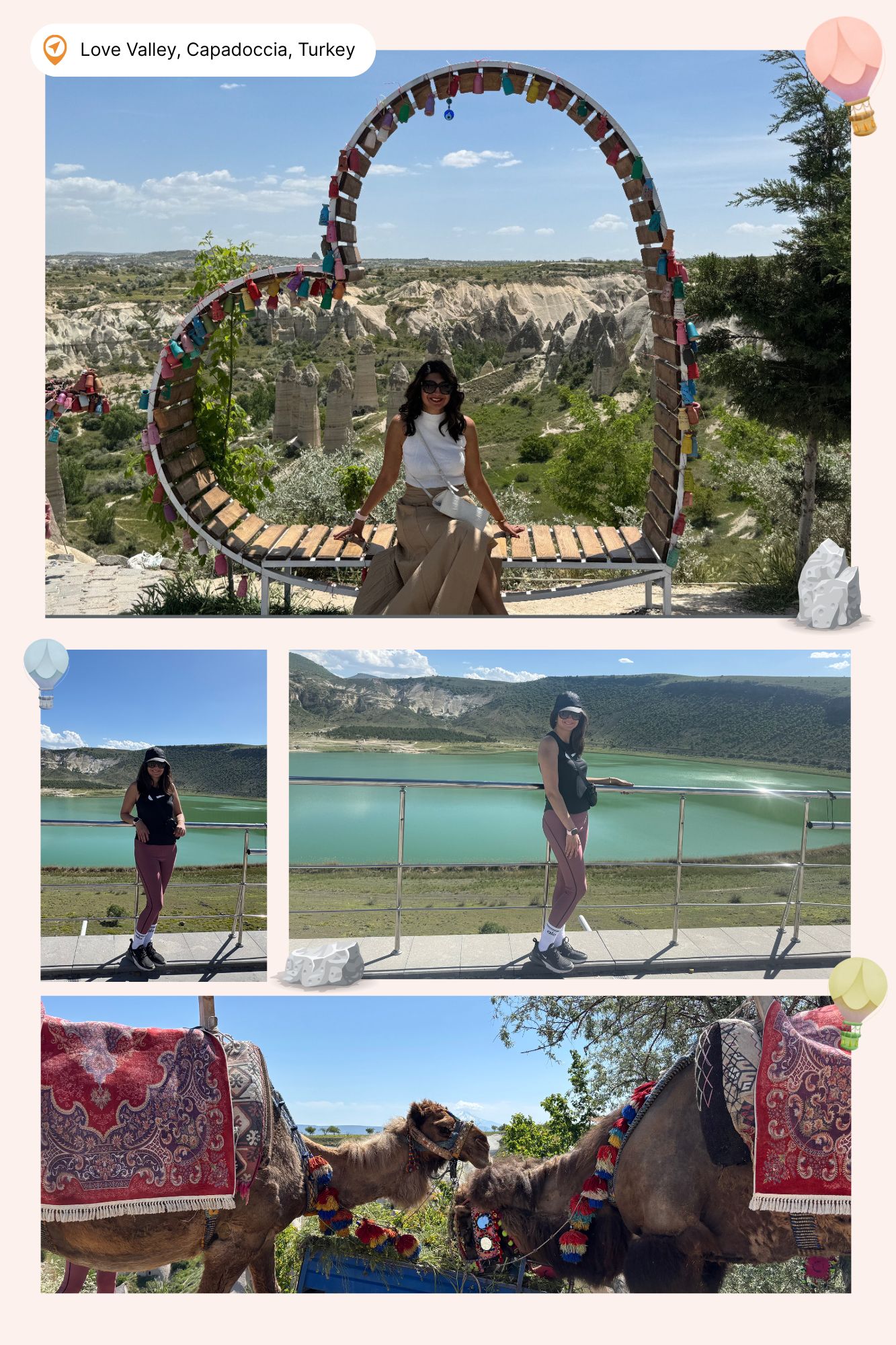
- Love Valley: This area is known for its interesting rock formations resembling..let’s just say nature’s humor.
- Carpet Capital: Cappadocia is famous for hand-woven Turkish carpets, with patterns passed down for generations.
- Monks’ Valley: Pasabag (Monks Valley) is home to some of the most iconic fairy chimneys, often with multiple rock caps on top.
- Early Christian Refuge: Christians sought refuge in Cappadocia’s caves and underground cities during the Byzantine era.
- Whirling Dervishes: In Cappadocia, you can experience the mesmerizing Sufi ceremony of the Whirling Dervishes—a spiritual dance that symbolizes a deep connection with the divine.
- Silent Cities: Underground cities included stables, kitchens, wineries, churches, and ventilation shafts—entire civilizations underground!
- Cappadocia comes from the ancient Persian word Katpatuka, often said to mean “land of beautiful horses,” though the true meaning is uncertain.
Movies Shot
- Ghost Rider: Spirit of Vengeance (2011)
- The Eagle (2011)
- The Water Diviner (2014)
- Winter Sleep (2014)
Iconic Photo Spots
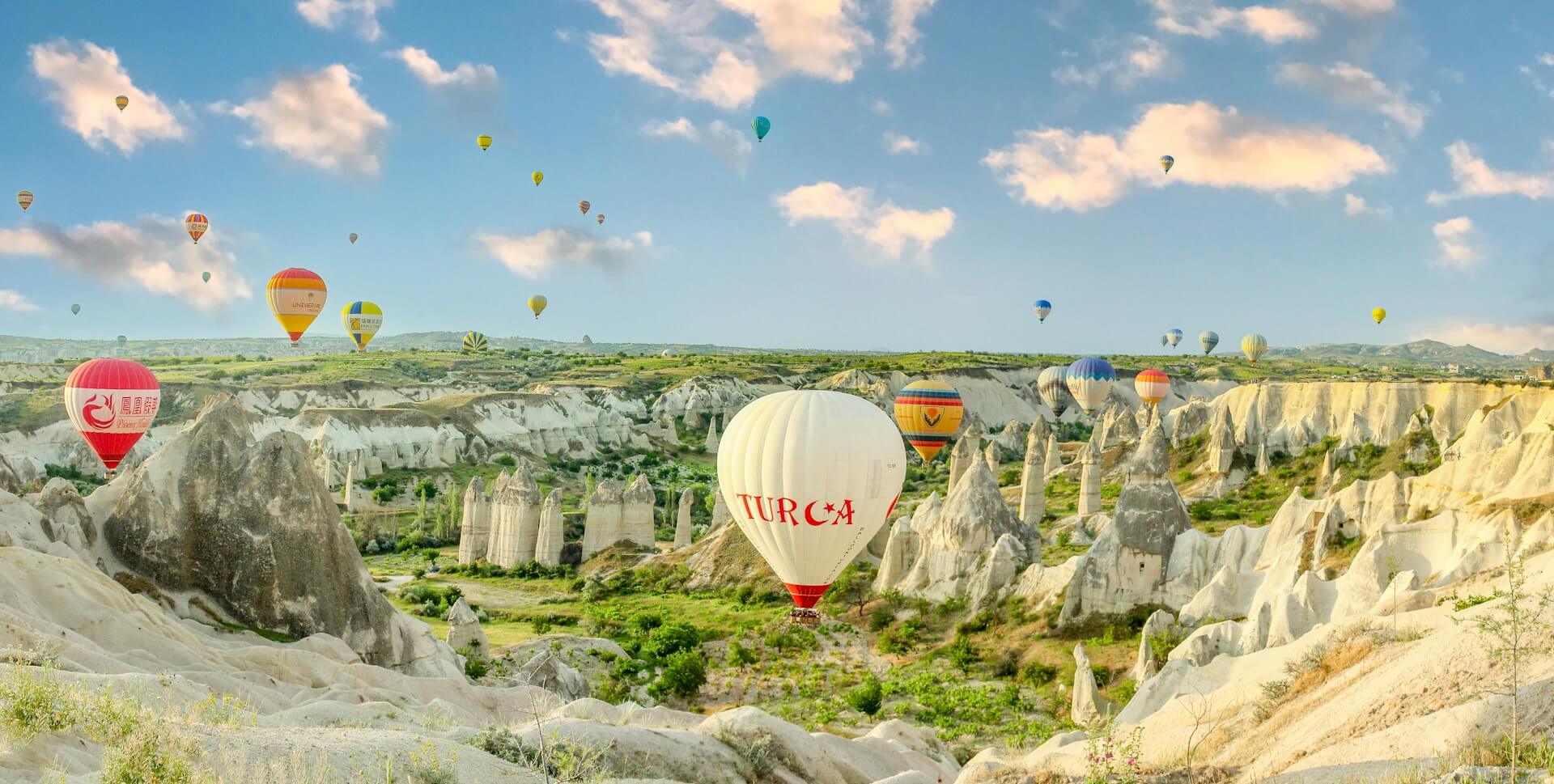
- Hot Air Balloons at Sunrise: Pose with hundreds of colorful balloons drifting in the sky behind you for a magical, dreamy shot.
- Göreme National Park & Open-Air Museum: Frame yourself beside ancient rock-cut churches or frescoes to add history to your photos.
- Love Valley: Stand among the unique rock formations for memorable photos that showcase Cappadocia’s quirky landscape.
- Uchisar Castle: Capture yourself at the highest point in Cappadocia with panoramic views of fairy chimneys and valleys all around.
- Pasabag (Monks Valley): Get close to the mushroom-shaped fairy chimneys and let their whimsical shapes surround you.
- Red Valley at Sunset: Capture yourself in the golden glow of Red Valley at sunset, where the crimson-hued cliffs and surreal landscape create a stunning backdrop for photos.
- Pigeon Valley: Photograph the charm of this scenic valley by including the centuries-old pigeon houses carved into the cliffs, where flocks of pigeons still gather, bringing to life a blend of natural beauty and a fluttering movement.
- Derinkuyu Underground City: Capture selfies inside the underground tunnels and chambers for a unique shot.
- Ortahisar Castle: Take a photo that spotlights you alongside the castle’s towering rock fortress and sweeping views of the surrounding valleys.
- Cavusin Village: Pose amid the ruins of this old village for photos full of rustic charm and history.
- Three Beauties (Üç Güzeller): Stand near these iconic fairy chimneys to capture a classic Cappadocia photo with a natural landmark.
- Sunset Point in Göreme: Pose with a glowing sunset backdrop and hot air balloons drifting overhead—Cappadocia at its most magical.
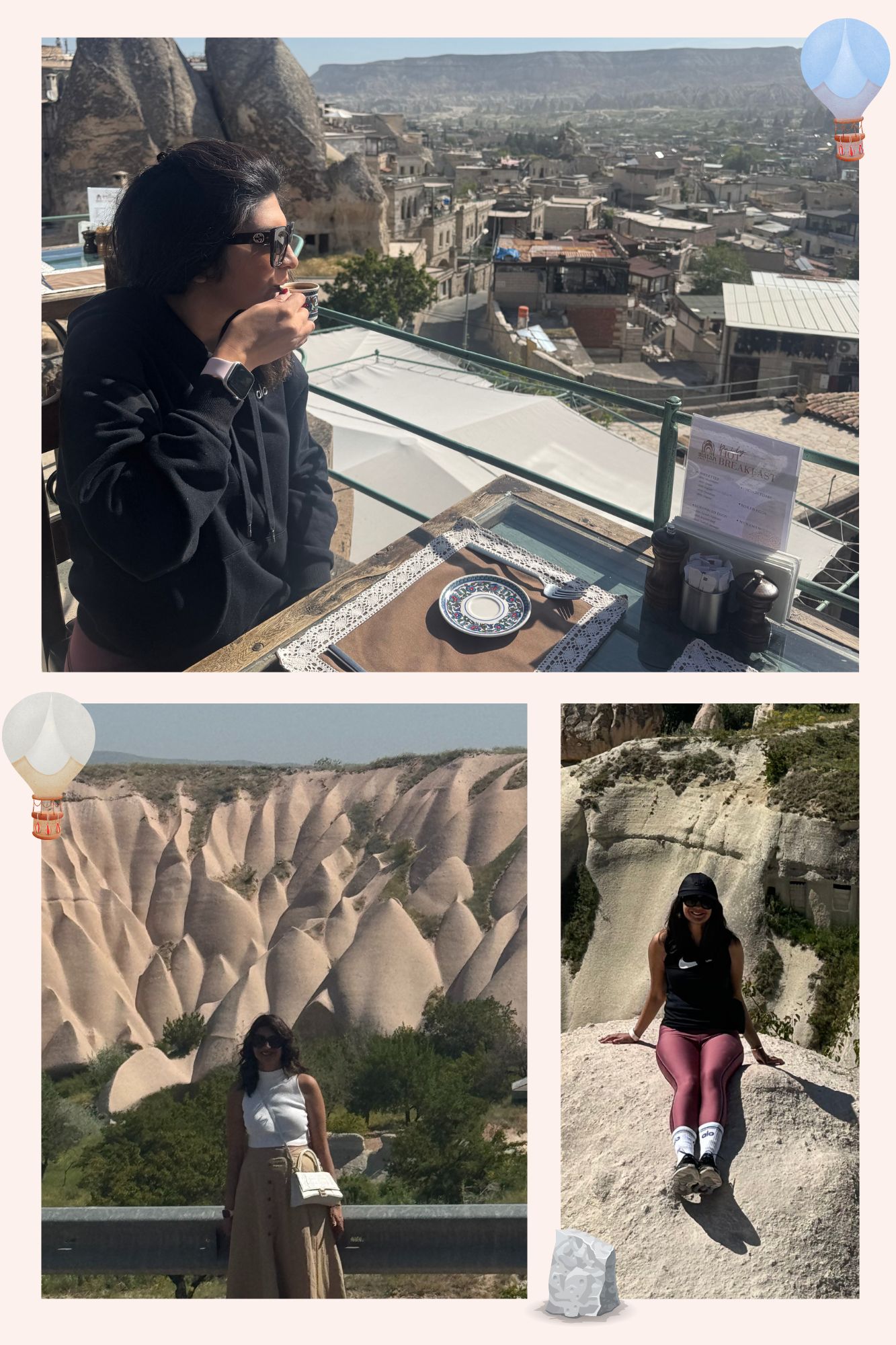
- Hotel Rooftops in Göreme (e.g., Sultan Cave Suites): Capture the ultimate Instagram moment with a luxurious breakfast spread, colorful cushions, and hot air balloons rising in the background.
Places to Stay
- Museum Hotel (Uchisar): A luxury hotel featuring authentically restored cave rooms, antique décor, panoramic views, and an incredible infinity pool overlooking the valleys.
- Argos in Cappadocia (Uchisar): Elegant cave suites and mansions set within a historic village estate, boasting beautiful terraces, vineyards, and exceptional dining.
- Kayakapi Premium Caves (Urgup): Elegant cave accommodations in a historic neighborhood, restored to offer modern amenities while preserving authenticity.
- Sultan Cave Suites (Göreme): Famous for its rooftop terrace ideal for balloon watching, offering upscale cave-style rooms that blend rustic charm with modern comfort.
- Hezen Cave Hotel (Ortahisar): An intimate boutique hotel featuring beautifully designed rooms, cozy terraces, and stunning valley views.
Personal Blog
Cappadocia had always been a dream destination for me, especially because of the hot air balloon ride. And honestly, it felt like something straight out of a fairytale. If you’re planning a trip to Cappadocia, it’s best to visit during the warmer months—spring to early fall—to reduce the chance of weather-related cancellations. Be sure to schedule your hot air balloon ride for your first morning. That way, if it gets canceled due to weather, you’ll still have a few more days to reschedule.
I highly recommend staying in a cave hotel to fully experience the magic of Cappadocia. I stayed at the Sultan Cave Suites, where every morning I woke up to breathtaking views of the balloons drifting across the sky right from my terrace. Each day started with a traditional Turkish breakfast, including an array of cheeses, rich Turkish coffee, fresh bread, and sweet delights that made every morning special.
The fairy chimneys and rock formations were unlike anything I’d ever seen—unique natural shapes formed over millions of years by volcanic activity and erosion. But what truly amazed me was exploring Cappadocia’s underground cities. Places like Derinkuyu and Kaymakli are among the largest and most famous. Archaeologists believe the earliest sections were carved by the Phrygians around the 8th or 7th century BCE, and later expanded by early Christians during the Byzantine era to hide from invasions and raids. These subterranean complexes had everything people needed—living quarters, kitchens, churches, storage rooms, ventilation shafts, and wells.
I also visited Avanos, a charming town along the Kızılırmak River, famous for its centuries-old pottery tradition. There, I watched skilled artisans at work and had the chance to shop for beautiful handmade ceramics, including kitchen sets, Turkish coffee sets, and intricate sculptures. Another highlight was hiking through winding underground caves, following a stunning emerald river that glistened.
After exploring each day, I loved unwinding in the Aza Cave Pool, which was a serene spot filled with warm, mineral-rich waters that made for the perfect place to relax.
I also stumbled upon a quieter, more private mosque, which was elegant and beautiful. I loved climbing up to Uçhisar Castle—the panoramic views of the region from the top are breathtaking.