

Kyoto Travel Guide
Table of Contents
1. Itinerary
2. Fun facts
3. Movies Shot
4. Iconic Photo Spots
5. Places to Stay
6. Personal Blog
Itinerary
Day 1: Book the Perfect Kyoto 1-Day Bus Tour via Viator and visit these must-see stops:
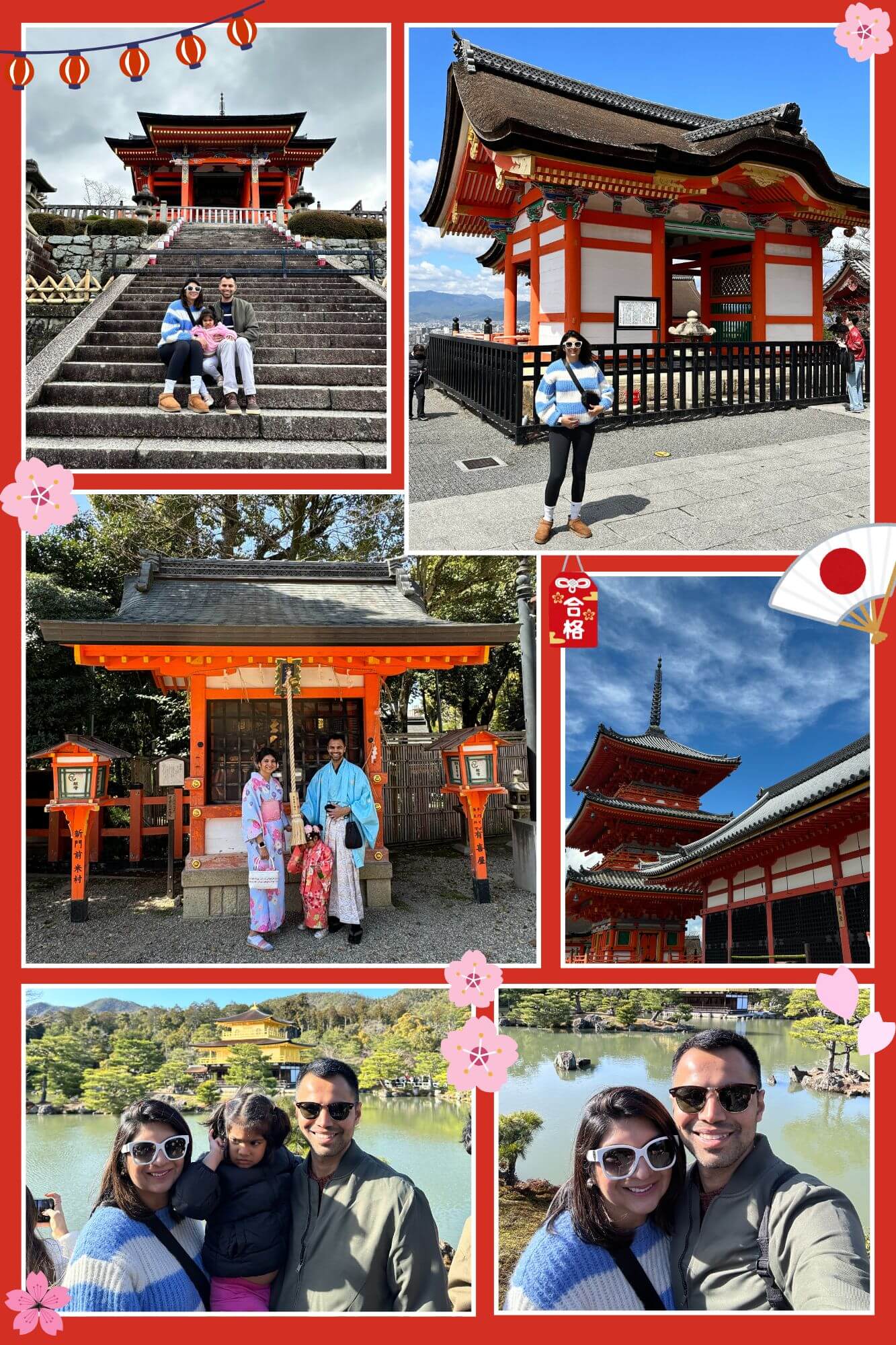
- Kiyomizu-dera Temple – World Heritage site on Higashiyama hill; offers panoramic views of Kyoto and rich historical significance.
- Sanjusangendo Temple – Famous for its 1,001 life-sized Senju Kannon statues in the main hall, a must-see for art and history lovers.
- Arashiyama – Stop for lunch (optional Japanese-style buffet) and take in the scenic views of the area.
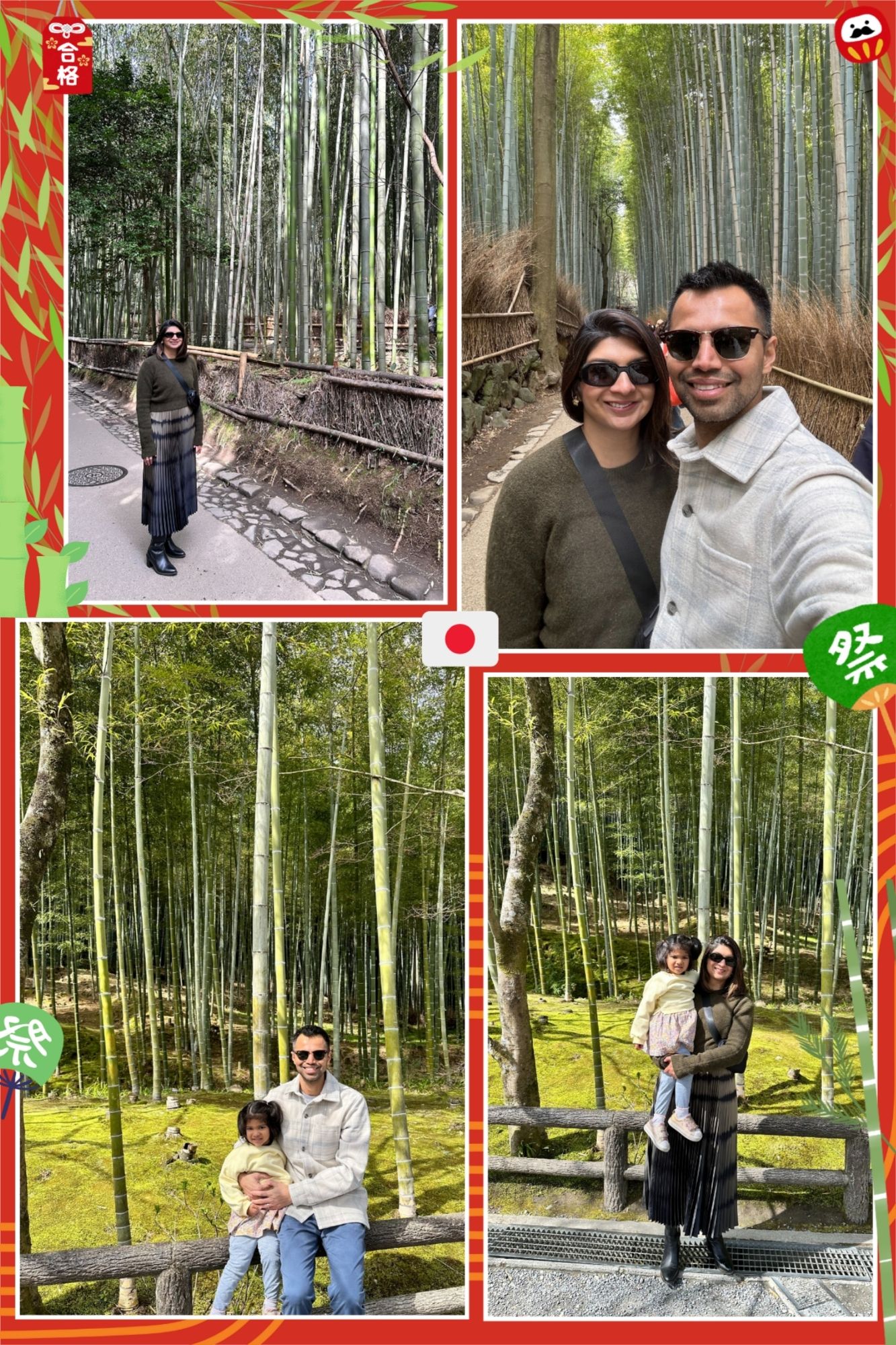
- Bamboo Forest Trail – Walk through the iconic bamboo grove that leads to the photogenic and serene Tenryu-ji Temple.
- Tenryu-ji Temple – A UNESCO World Heritage site with traditional Japanese gardens that have been preserved for over 700 years, where seasonal flowers and plants add to its beauty.
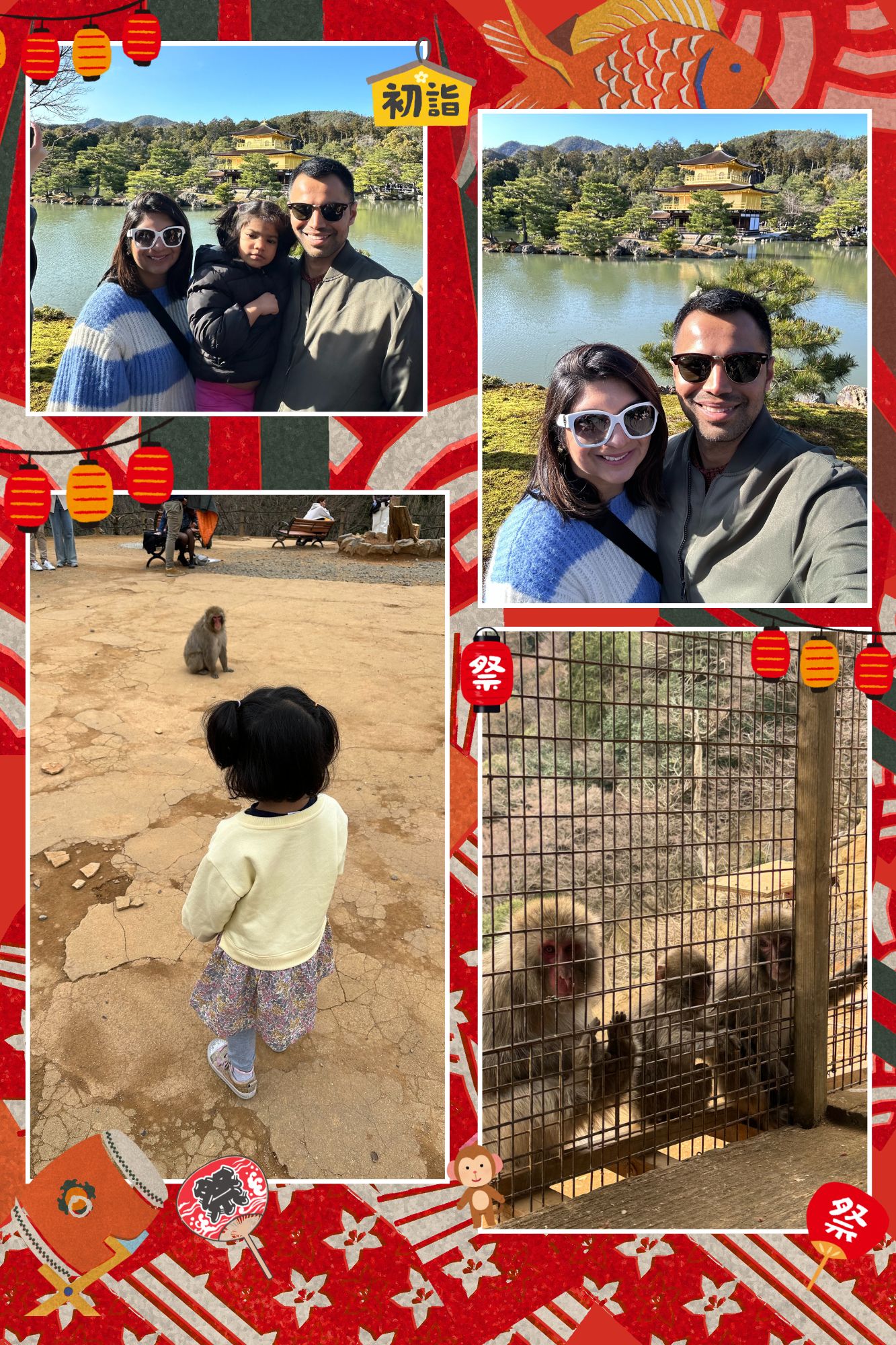
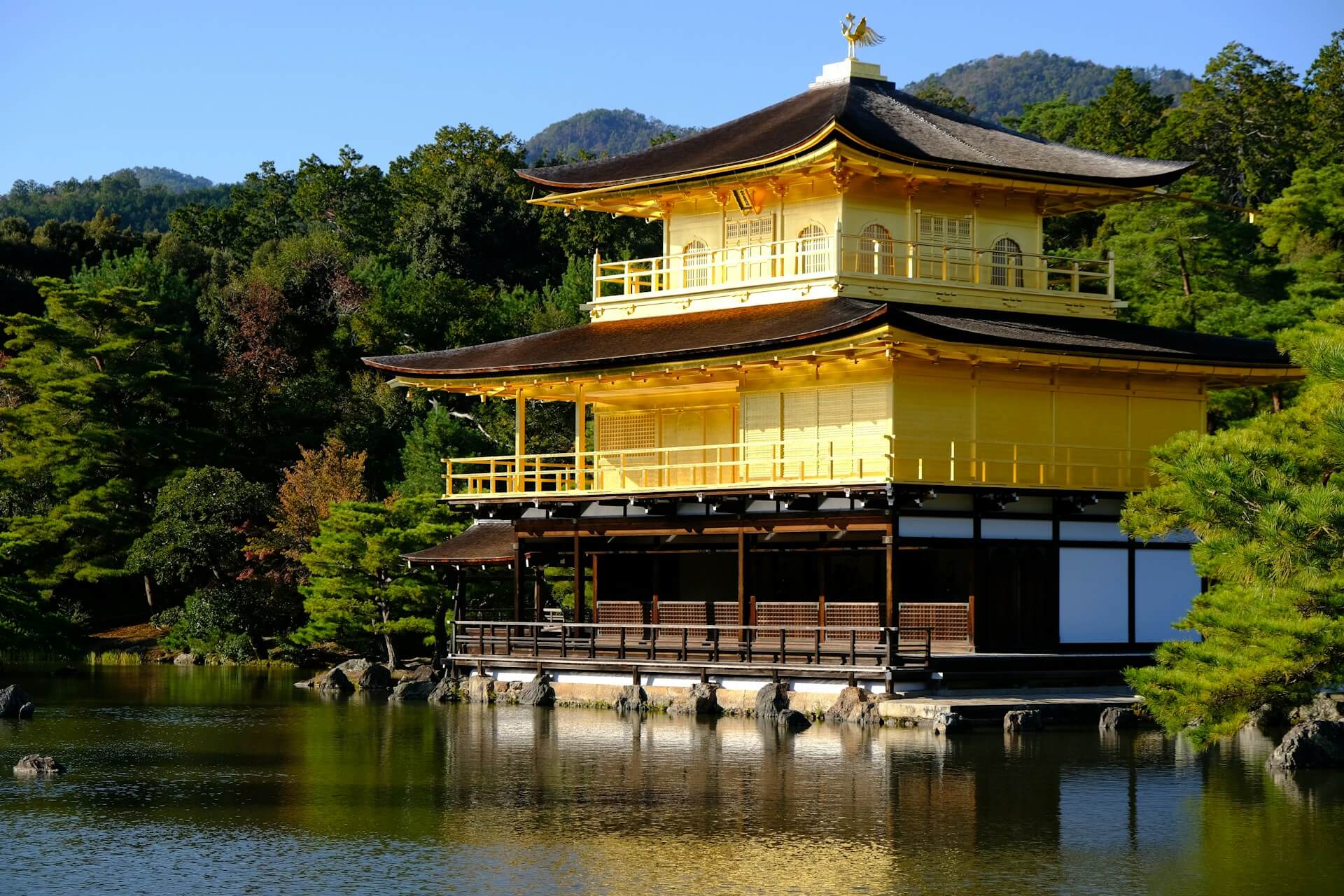
- Kinkaku-ji Temple (Golden Pavilion) – Iconic temple covered in gold leaves; a symbol of Kyoto and a must-see landmark.
- Nijo Castle (Pass By) – Historic site significant for Japan’s Edo period political history; viewed from the bus on the return route.
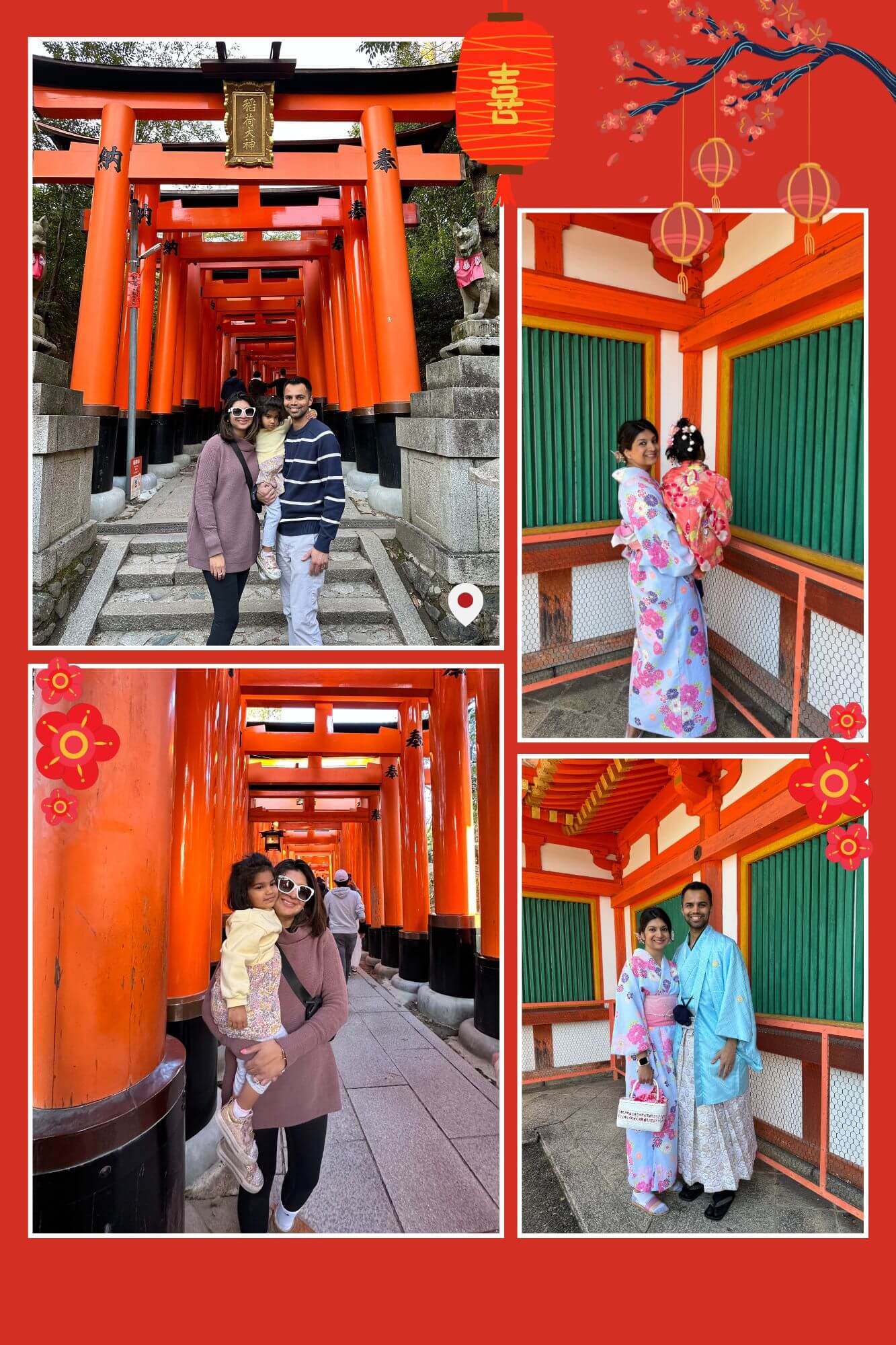
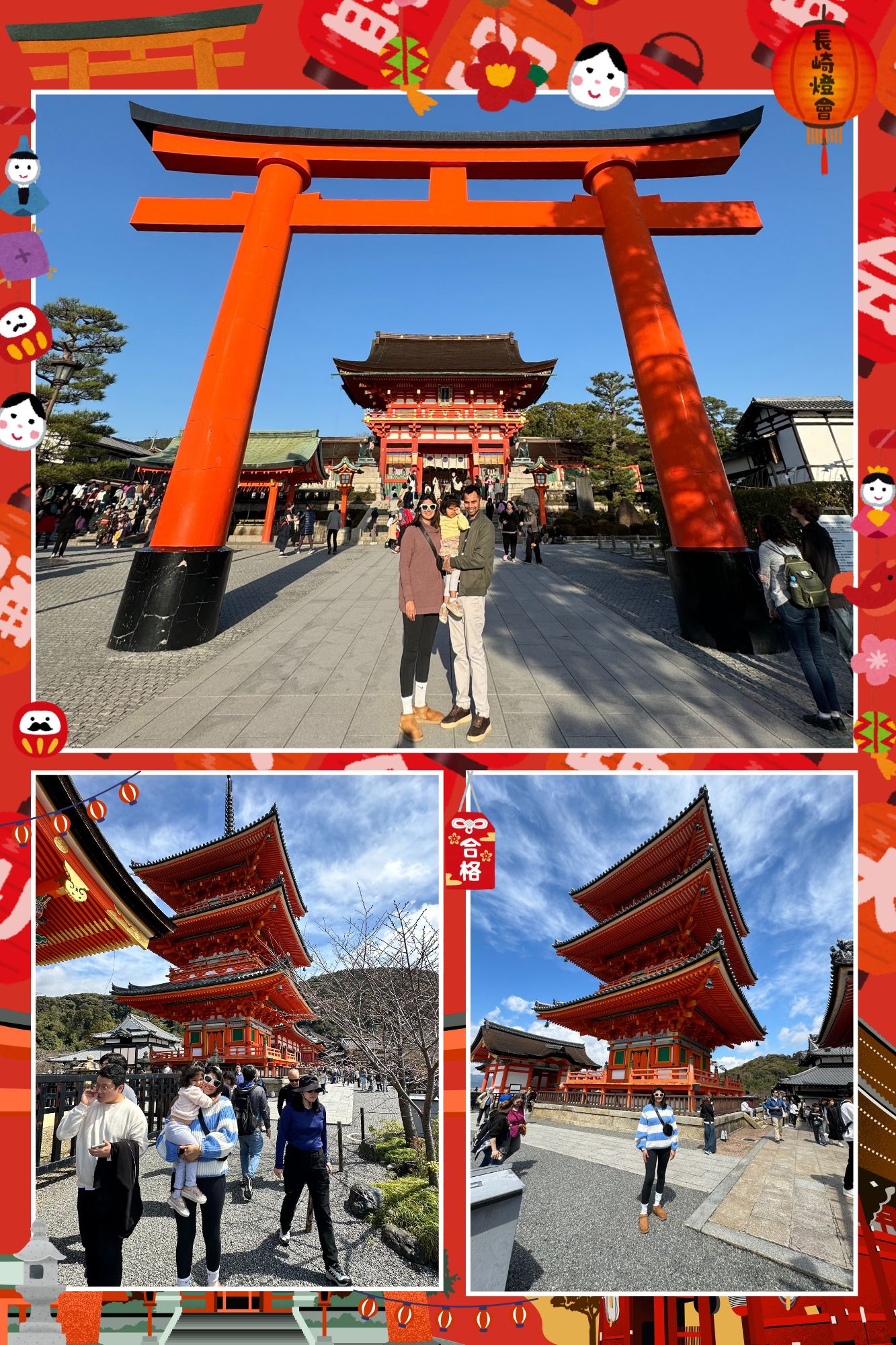
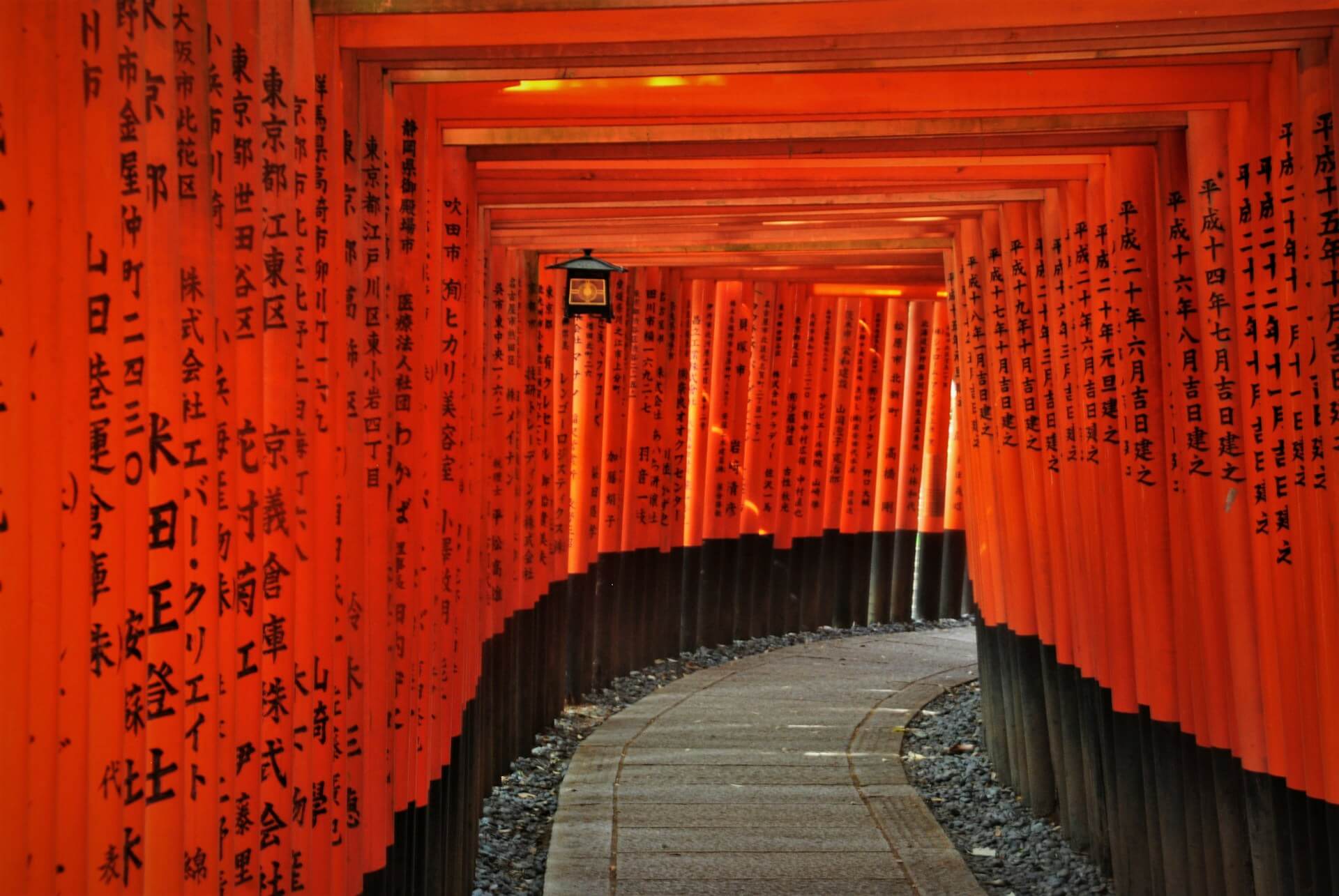
- Fushimi Inari-taisha Shrine – Fushimi Inari-taisha Shrine – Famous for its thousands of vibrant torii gates; a unique and unforgettable Kyoto experience.
Day 2:
- Sannen-zaka & Ninen-zaka Streets – Start your day with a peaceful walk through these traditional streets; morning light is perfect for photos.
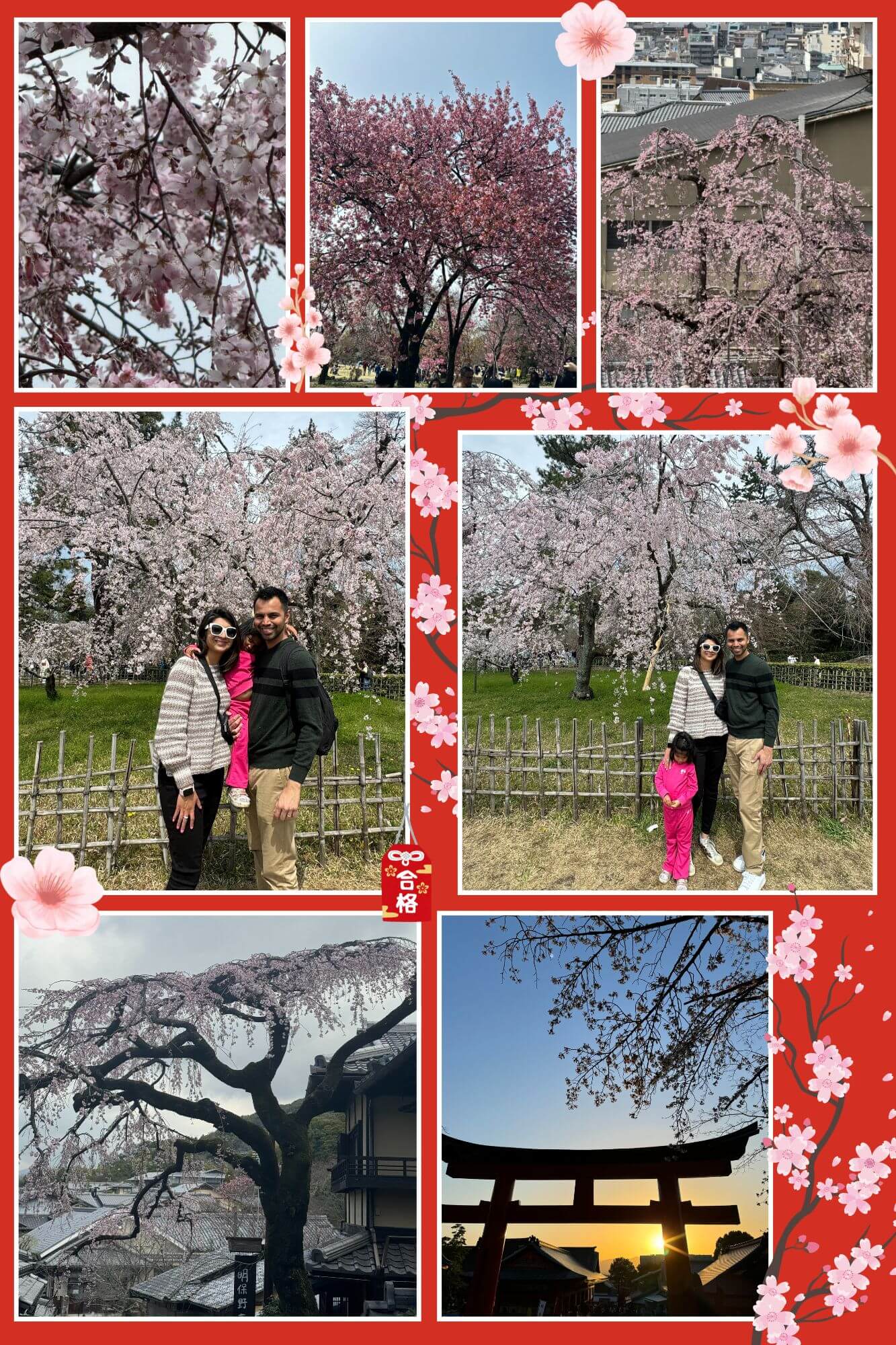
- Yasaka Pagoda & Maruyama Park – Just a short walk away; enjoy the seasonal flowers, cherry blossoms (seasonally), and iconic photo spots.
- Philosopher’s Path – Head here for a scenic, relaxing walk along the canal lined with cherry trees (seasonally) ; ideal for a calm lunch break nearby.
- Kyoto Imperial Palace – Explore the historic palace and gardens in the early afternoon when it’s less crowded.
- Book the Kyoto Gion Geisha District Walking Tour – The Stories of Geisha on Viator. Explore the historic Gion district, where you might even spot a geisha along the way. Start at the Statue of Izumo-no-Okuni, honoring the legendary founder of Kabuki. Just nearby, the Minamiza Theater brings traditional Kabuki to life with elaborate costumes and dramatic performances. Wander along Tatsumi Bridge and Hanamikoji Street, which are lined with charming tea houses, historic machiya houses, and elegant restaurants. Gion Corner offers a condensed experience of Japan’s traditional arts in a single venue. At the heart of the district, Yasaka Shrine welcomes visitors with its vibrant vermilion gates and centuries-old architecture. It serves as both a spiritual center and a cultural icon, especially during the lively Gion Matsuri festival. This walking tour combines history, culture, and the timeless charm of Kyoto, creating an unforgettable evening in one of Japan’s most iconic districts.
Day 3: Book the Private Kyoto Tour with a Local, Highlights & Hidden Gems on Viator, and create the following itinerary.
- Ryoan-ji Temple – Start your day at this serene Zen temple, famous for its minimalist rock garden and contemplative atmosphere.
- Ninna-ji Temple – Visit this site, known for its beautiful gardens, historic architecture, and striking five-story pagoda.
- Koryu-ji Temple – A quieter, lesser-known temple featuring traditional architecture and tranquil grounds; a peaceful stop off the beaten path.
- Kyoto Botanical Gardens – Enjoy a leisurely stroll among seasonal blooms and native plant species, perfect for some relaxation and photos.
- Kyoto Station & Sky Garden – Take in panoramic city views from the modern rooftop Sky Garden, a striking contrast to Kyoto’s historic temples.
- Pontocho Alley – End your day with dinner along the riverside, soaking in the traditional ambiance and charming narrow streets.
Day 4: Southern Kyoto & Cultural Experiences
- Visit the To-ji Temple – Start the day at this iconic UNESCO World Heritage site, famous for its five-story pagoda.
- Fushimi Sake District – Explore historic streets lined with traditional sake breweries. Take guided tours, sample local varieties, and learn about the brewing process that’s been perfected over centuries.
- Book the Nishiki Market Food and Culture Walking Tour: Explore Kyoto’s vibrant Nishiki Market, a 400-year-old shopping street with over 130 shops with authentic local ingredients, street food, kitchenware, and traditional culinary tools. Learn about Japanese food culture as you sample delicacies and browse essentials used by locals and top chefs alike. Visit the Nishiki Tenmangu Shrine to learn about Shinto practices and try a fortune paper, then stroll through the Shinkyogoku and Teramachi-dori shopping arcades for a blend of modern and traditional Kyoto life. Stop by Takoyakushido Temple, a small local shrine tucked within the shopping district, for a glimpse of everyday spirituality. Finish at Takashimaya Department Store, where you’ll explore the impressive food hall filled with gourmet snacks, traditional treats, and hidden gems—including photo spots for Nintendo fans.
If time permits, visit the Kyoto National Museum – Gain deeper insight into Kyoto’s history, art, and culture through its curated exhibits, highlighting both traditional and contemporary works.
Day 5:
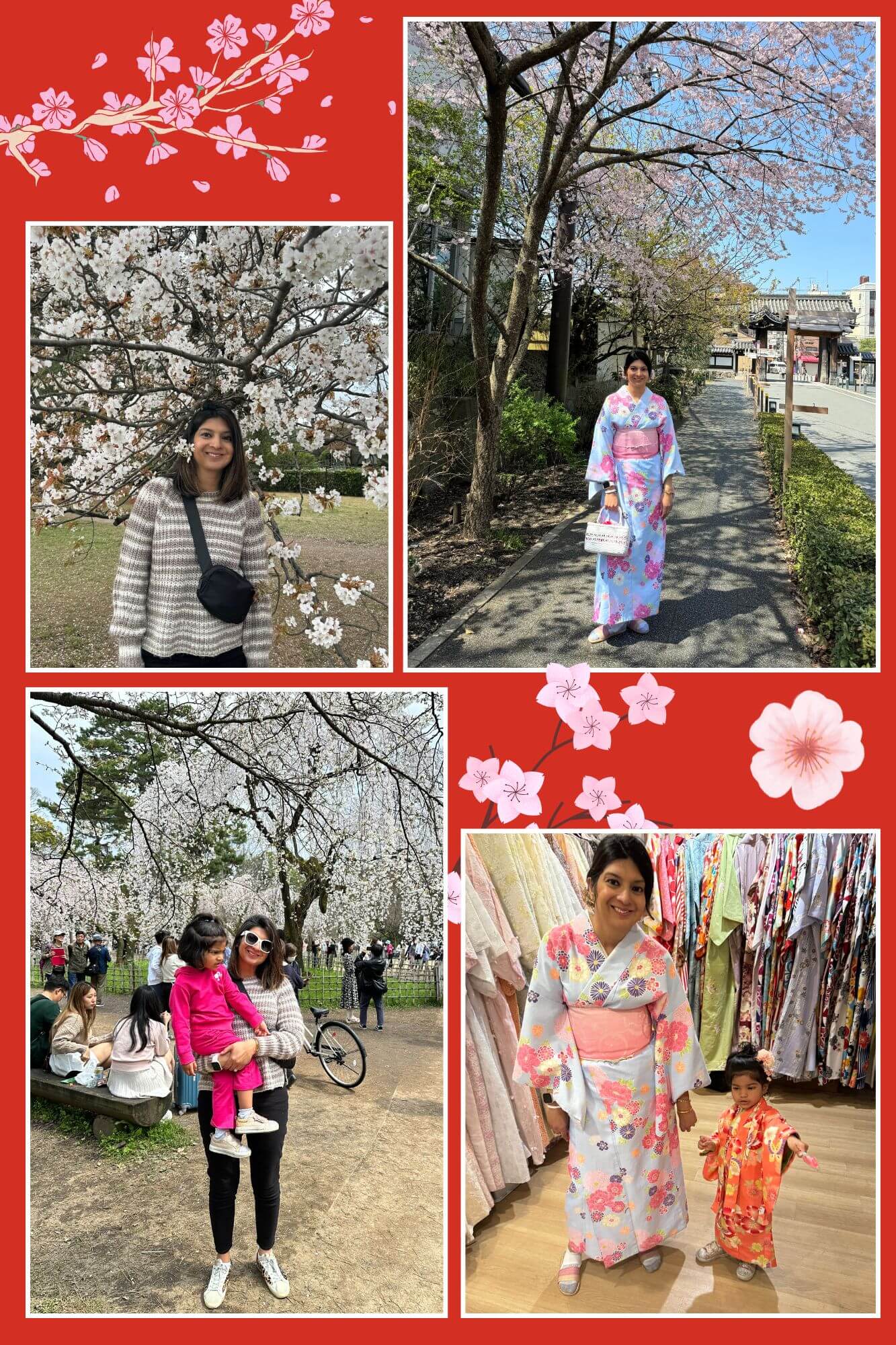
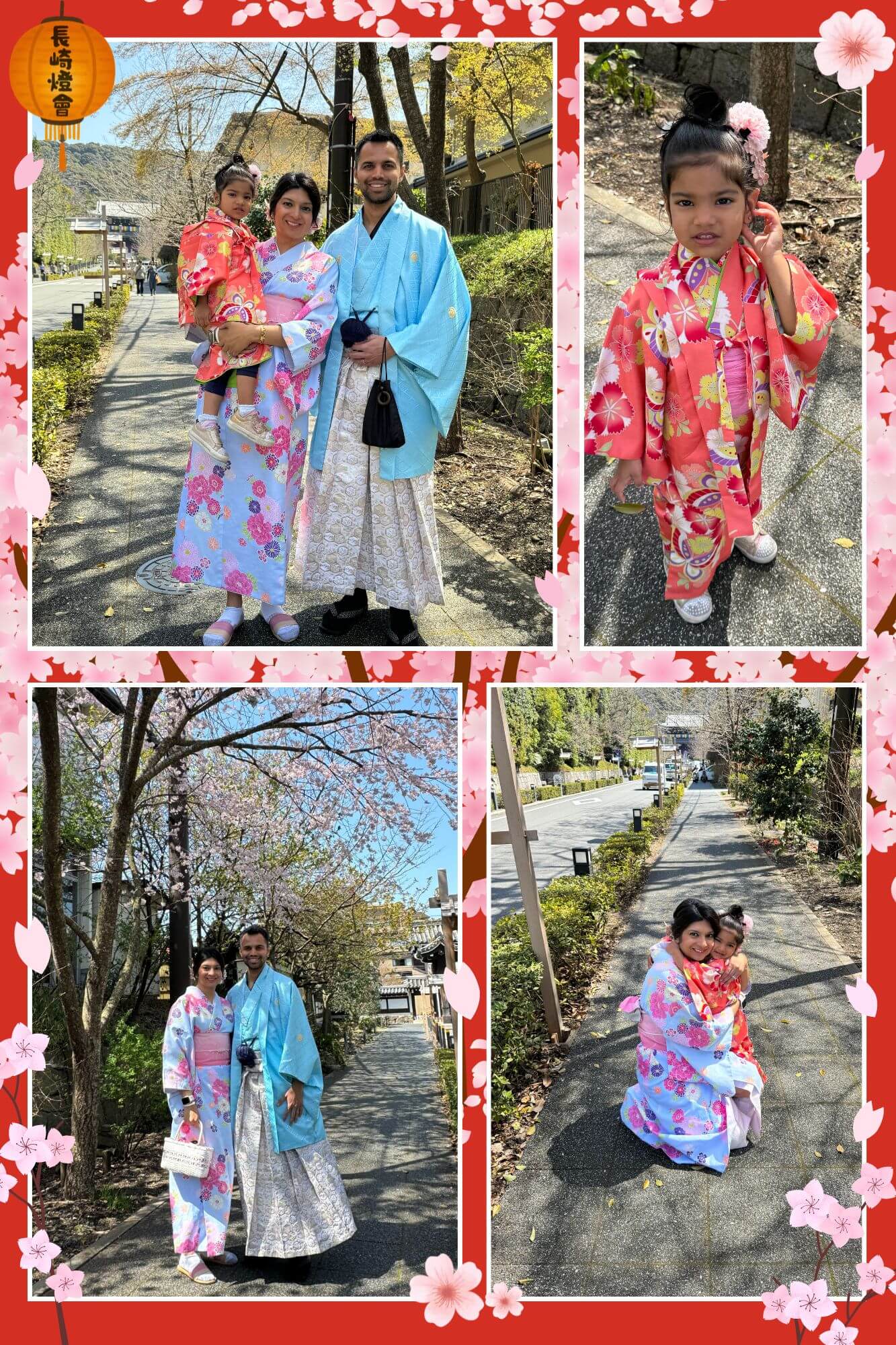
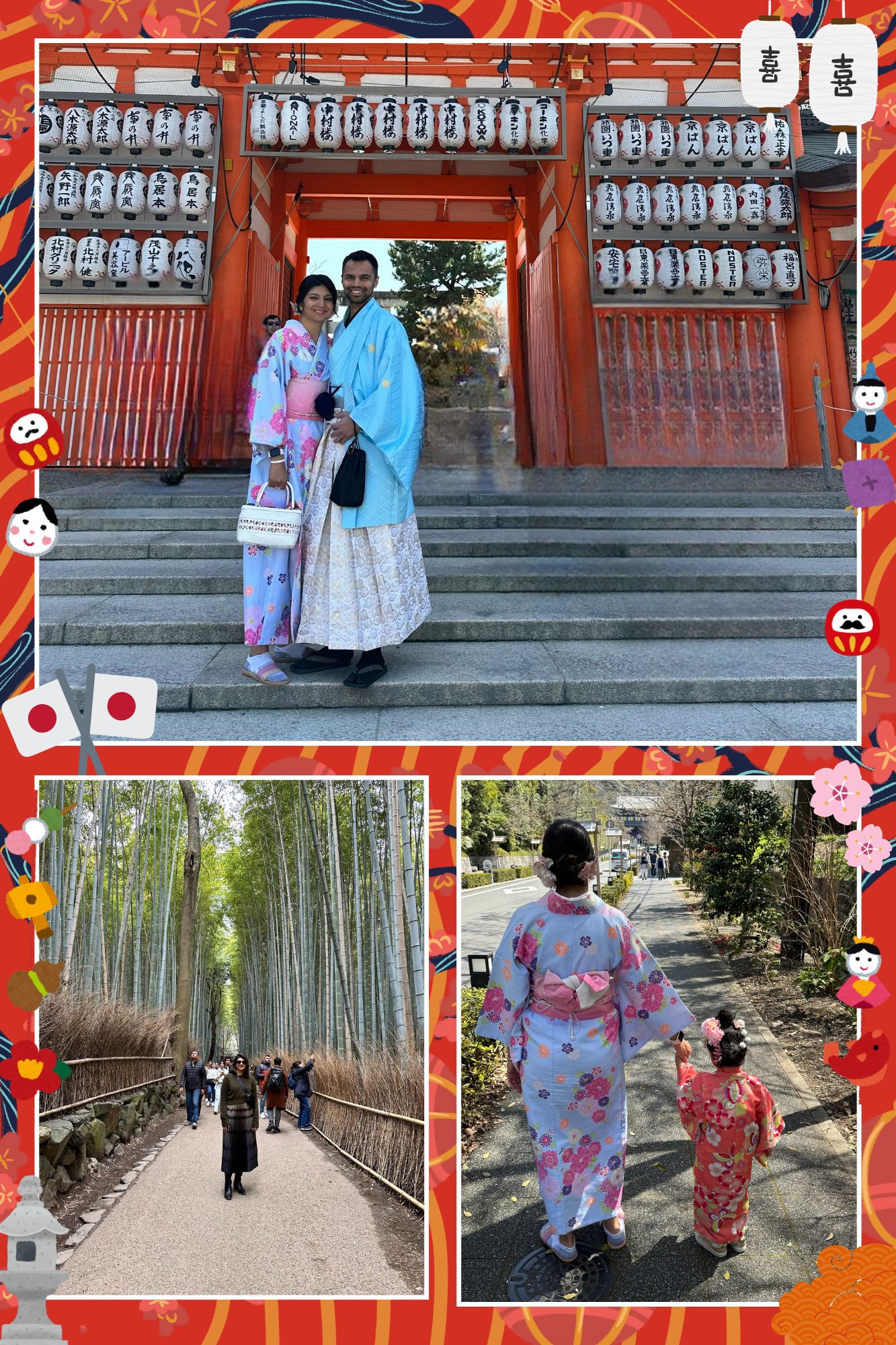
- Start your morning by renting traditional kimonos through Get Your Guide. Choose from a wide selection of classic and modern styles, and let the friendly staff help you pick the perfect fit. Complete your look with matching accessories and hairstyling, and get insider tips on the best spots for photos and sightseeing. Wearing a kimono adds a memorable touch to your Kyoto experience, making every moment picture-perfect.
- Book the Tea Ceremony in a Traditional Tea House in Kiyomizu through Get Your Guide. Step into the tranquil beauty of a Japanese garden in Sannenzaka, designed by the legendary Ogawa Jihei VII, and immerse yourself in the magic of Kyoto.
- Watch a tea master demonstrate the art of matcha, then brew your own and enjoy it with a traditional Japanese sweet. Take in the peaceful garden views, capture a few photos, and immerse yourself in the 500-year history of this beautiful ceremony. Perfect for kids over 7, it’s a fun and cultural experience for the whole family!
- Snap photos at your favorite Kyoto locations such as Fushimi Inari Taisha, Kiyomizu-dera, or the Philosopher’s Path.
- After returning your Kimonos, visit the Iwatayama Monkey Park in Arashiyama for a fun and scenic experience with wild Japanese macaques.
Fun facts
- Kyoto served as Japan’s imperial capital from 794 to 1868.
- It’s home to about 1,600 Buddhist temples and 400 Shinto shrines.
- The wooden veranda of Kiyomizu-dera was built without using nails.
- Fushimi Inari boasts thousands of vermilion torii gates.
- Kyoto was spared bombing during WWII to preserve its heritage.
- Kyoto University, founded in 1897, is one of Japan’s most prestigious schools.
- Honke Owariya, founded in 1465, is Kyoto’s oldest operating restaurant.
- The city’s streets follow the ancient grid layout from Heian-kyō.
- Jidai Matsuri, held every October 22, reenacts Kyoto’s history in a grand parade.
- Bamboo from Kyoto helped Edison’s invention of the lightbulb filament.
- Japan’s first streetcar ran in Kyoto in 1895.
- Nintendo began in Kyoto as a small playing-card company.
- Daikaku-ji’s garden pond dates back to the Heian period.
- Heian Jingū was built in 1895 to honor Kyoto’s founding.
- Shimogamo and Kamigamo are among Japan’s oldest shrines and UNESCO sites.
- The Lake Biwa Canal revitalized Kyoto with modern utilities in 1890.
- Nijo Castle is famed for its beautiful decor and “nightingale” floors.
- Daitoku-ji is a Zen temple known for its serene gardens and tea traditions.
Movies Shot
- You Only Live Twice (1967)
- The Yakuza (1974)
- Memoirs of a Geisha (2005)
- Youngistaan (2014)
Iconic Photo Spots
- Fushimi Inari Taisha: Walk through the endless rows of bright vermilion torii gates and stand in the middle of the pathway for an iconic shot.
- Kiyomizu-dera Temple: Pose on the wooden veranda with the temple in the background and the city views below for a stunning photo.
- Arashiyama Bamboo Grove: Capture yourself wandering among towering bamboo stalks for a classic Kyoto shot.
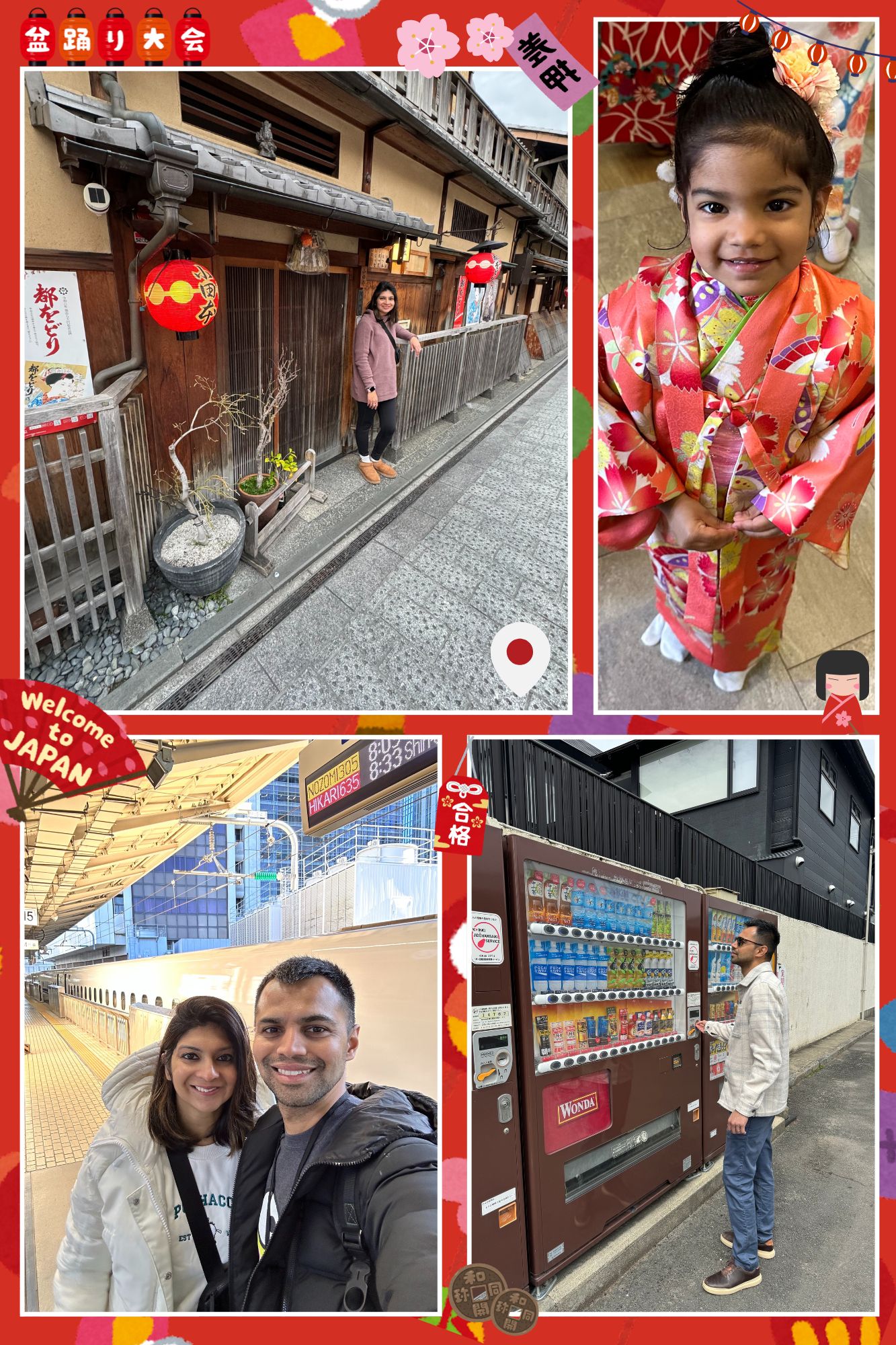
- Gion District: Stroll along traditional streets with wooden machiya houses and snap a picture in a kimono for a picture-perfect scene.
- Kinkaku-ji (Golden Pavilion): Stand in front of this shimmering temple for a must-have temple photo.
- Nijo Castle Gardens: Let seasonal flowers and historic architecture create a serene backdrop.
- Philosopher’s Path: During cherry blossom season, this path is a magical spot for candid floral shots.
- Yasaka Pagoda (Hōkan-ji Temple): One of Kyoto’s most photographed pagodas, especially at sunset. Pose walking up the street with the pagoda behind you.
- Nishiki Market: Perfect for foodie photos, whether trying bright street snacks or savoring traditional sweets.
- To-ji Temple Five-Story Pagoda: Capture yourself in the foreground with Japan’s tallest wooden pagoda towering behind.
- Heian Shrine Torii Gate: Stand beneath this massive red torii for a dramatic scale photo.
- Arashiyama Togetsukyo Bridge: Get a wide-angle shot of the bridge with autumn leaves or spring blossoms to capture its full beauty.
- Maruyama Park: Cherry blossoms in spring and autumn colors in fall create a beautiful backdrop for a photo of yourself wandering through the scenery.
Places to Stay
- The Ritz-Carlton, Kyoto: Modern luxury with traditional Japanese design along the Kamogawa River, offering spacious rooms and a renowned spa.
- Hotel The Mitsui Kyoto, a Luxury Collection Hotel & Spa: A serene stay in a former merchant residence with traditional hospitality and a luxurious spa.
- Sowaka: A boutique hotel in Kyoto’s historic Gion district, set in a century-old tearoom with modern rooms and fine Japanese dining.
- Four Seasons Hotel Kyoto: Set within a 12-acre garden, this hotel combines traditional Japanese aesthetics with modern luxury, offering a spa, an indoor pool, and kaiseki dining.
- Roku Kyoto, LXR Hotels & Resorts: Located in Kyoto’s Higashiyama district, the hotel blends contemporary design with traditional Japanese charm. Guests can unwind in the serene outdoor hot-spring pool and savor seasonal dining experiences.
- Banyan Tree Higashiyama Kyoto: Situated on the slopes of the Higashiyama Mountains, this hotel provides a serene atmosphere with forest views, a spa, and proximity to cultural landmarks such as the Yasaka Pagoda.
- Hotel Granvia Kyoto: A luxury hotel located above Kyoto Station, offering stylish rooms, excellent dining, modern amenities, and unbeatable access to Kyoto’s top attractions.
- Suiran, a Luxury Collection Hotel, Kyoto: Suiran combines the timeless charm of a traditional ryokan with modern luxury. Guests can unwind in private open-air onsens, stroll through serene gardens, and savor exquisite Japanese dining in the heart of Arashiyama.
- Six Senses Kyoto: A serene escape in the heart of the city, where contemporary design meets timeless Japanese tradition. Guests can rejuvenate with holistic spa treatments, unwind in tranquil gardens, and indulge in sustainable fine dining.
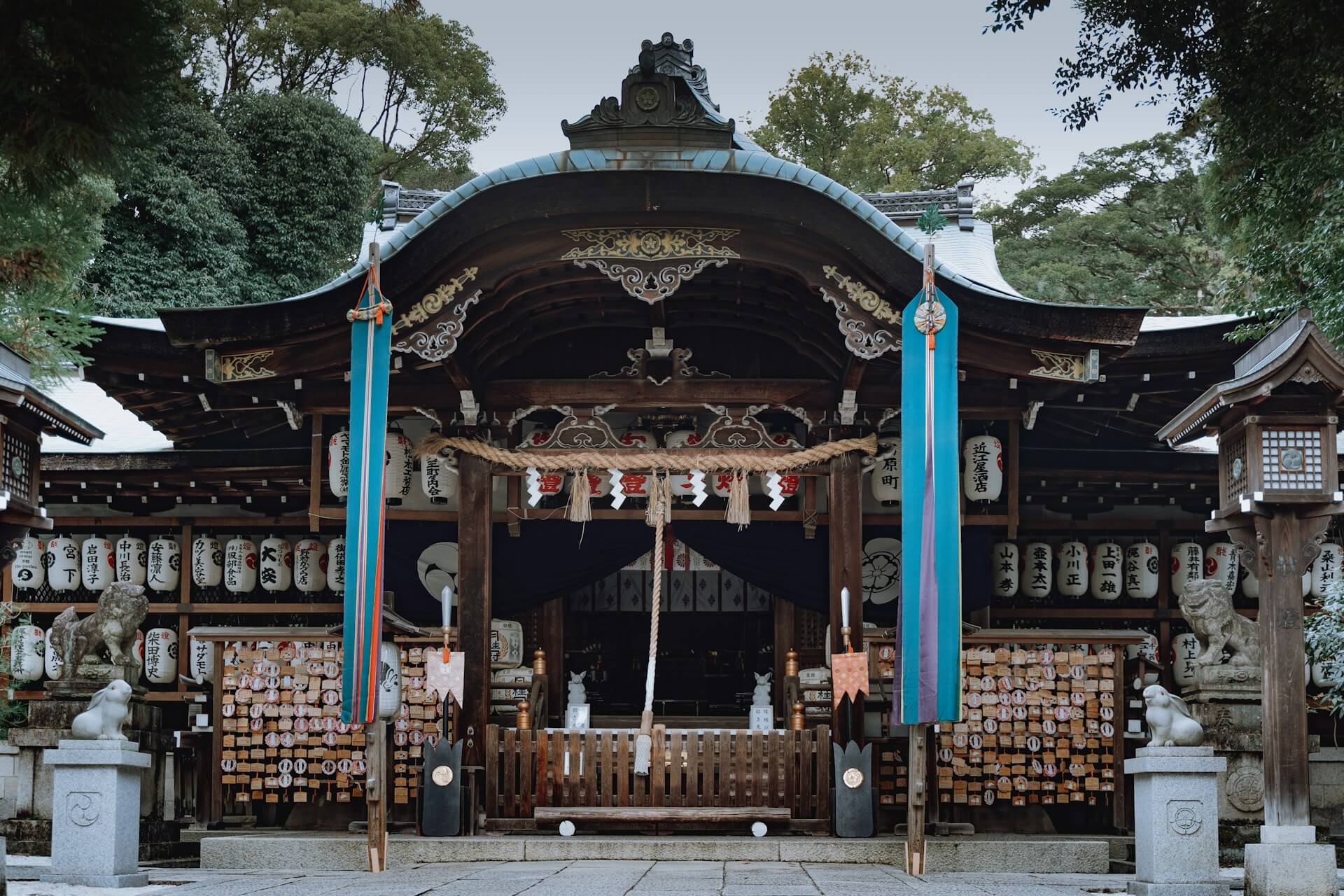
Personal Blog
Kyoto has always been a city in Japan that I dreamed of visiting because of its cultural history. From its wooden shrines to the chance of spotting geishas—we were lucky enough to see one—Kyoto felt like stepping into tradition. What stood out to me most was the city’s unique balance: while modern Japan is vibrant and fast-paced, Kyoto preserves an atmosphere of timeless cultural charm. Walking through the narrow streets and watching locals go about their daily routines gave me a glimpse into the heart of Japanese life.
One of the highlights of our trip was visiting Kinkaku-ji (the Golden Pavilion). Its golden reflection shimmering across the pond was just as breathtaking as the photos I had admired for years, and capturing a shot in front of it felt surreal. Equally enchanting was exploring the Arashiyama Bamboo Grove—I was amazed by how strong and rigid the bamboo stalks were, and seeing them illuminated at night was pure magic.
We were fortunate to visit during cherry blossom season, which made Kyoto even more unforgettable. Wandering along the Philosopher’s Path, with delicate petals drifting through the air, felt dreamlike. Another memorable experience was dressing in traditional kimonos and strolling through the historic streets—such a special way to immerse ourselves in the city’s cultural soul.
Kyoto’s temples all had their own charm. At Kiyomizu-dera, the sweeping views over the city felt truly unforgettable—especially with the cherry blossoms in full bloom. My daughter’s favorite spot was Fushimi Inari Shrine, where we wandered through the endless rows of bright red torii gates. It felt playful and magical for her, yet spiritual at the same time. We also took in the quiet beauty of the rock gardens at Ryoan-ji and the historic grandeur of Nijo Castle, each place adding another layer to Kyoto’s story.
What makes Kyoto so special—and what I loved most—is how it weaves together such a rich variety of experiences in one city: serene temples, iconic gardens, seasonal beauty, traditional crafts, and of course, its timeless history. Every corner seems to whisper its own story, which is why so many travelers (myself included) find Kyoto one of the most captivating places in the world.